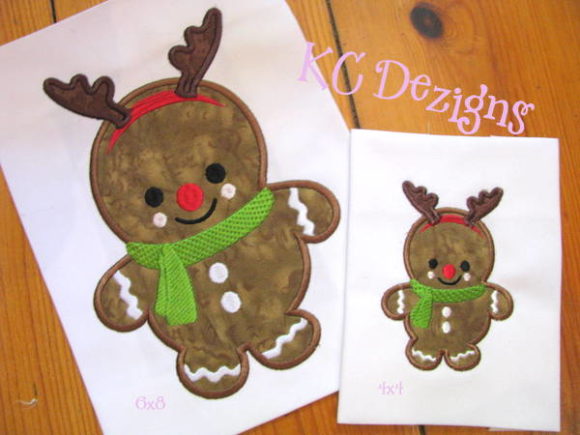
Baby Gingerbread Rudolph: A Designer's Take on Holiday Applique
As someone who spends more time at the hoop than away from it, I approach every new machine embroidery design with a mix of excitement and skepticism. We've all been there: you download a file that looks adorable on the screen, only to find out it's a nightmare of thread breaks and puckering once it hits the fabric. That is why I took a close look at the Baby Gingerbread Rudolph before committing it to any client work or personal holiday projects. This isn't just about whether it's cute; it's about whether it holds up as a professional applique design in real-world scenarios.
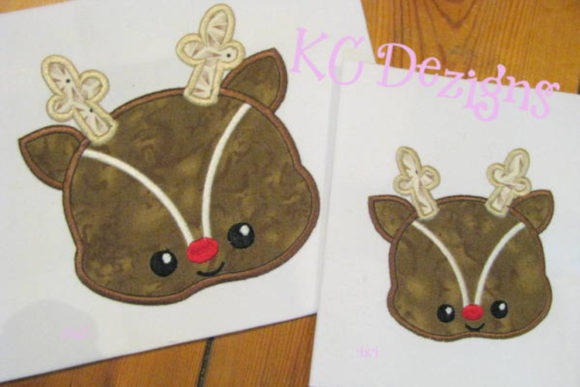
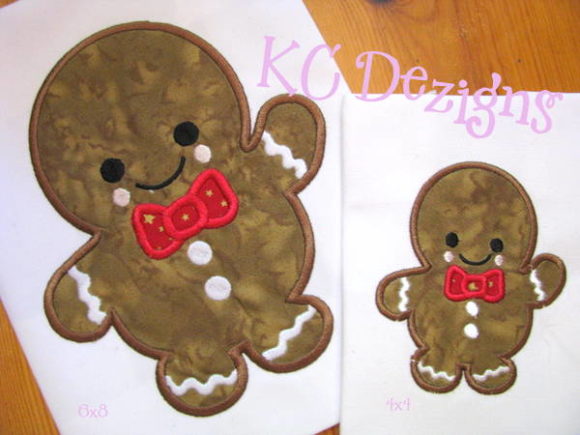
The first thing that strikes me about this design is its mood. It manages to be festive without being overwhelming. The concept of merging a gingerbread man with Rudolph is a classic holiday trope, but the execution here feels fresh, likely due to the "baby" proportioning which adds a layer of softness perfect for the season. Visually, the layout suggests a strong reliance on applique techniques, which is excellent for texture. In my experience, applique adds a tactile dimension that flat stitching simply cannot match, making the finished product feel more premium. For an Etsy seller or boutique owner, that tactile quality is often the difference between a browser and a buyer.
Real-World Application: The Custom Tote Test
To truly evaluate this design, I imagined a specific use case that many of us face in December: a last-minute order for custom holiday tote bags. Picture a local bakery wanting branded bags for their Christmas cookie boxes. They need something durable, washable, and instantly recognizable. This is where Baby Gingerbread Rudolph shines. Because it is an applique design, it inherently handles the stress of a tote bag better than a dense fill stitch might. The fabric layers in applique distribute tension differently, reducing the risk of the design warping the canvas or cotton twill of the bag.
If I were stitching this onto a sweatshirt for a family matching set, the visual personality of the design fits perfectly. The rounded shapes typical of a "baby" character translate well to the loopback french terry or fleece used in sweatshirt embroidery. However, one must be mindful of the stitch density. While the description confirms it is an applique piece, the surrounding details—likely eyes, antlers, or decorative buttons—could involve satin stitch or fill stitch elements. On thick fabrics like hoodies, these details need to pop. If the satin columns are too narrow, they might get lost in the pile of the fleece. Conversely, on a thinner fabric like a tee, those same details need to be backed properly to prevent show-through.
Navigating Fabric Textures and Hoop Limitations
Every designer knows that the fabric dictates the success of the embroidery project. With Baby Gingerbread Rudolph, I would exercise caution when working with highly textured fabrics like heavy waffle knits or loose-weave linens. Applique requires a clean cut and a secure tack-down stitch. If the base fabric is too loose, the edges of your applique patch might fray before the final covering stitch is complete. Using a high-quality cut-away stabilizer is non-negotiable here, especially if the end user intends to wash the item frequently, as is common with baby embroidery items or kitchen towels.
Another practical consideration is the hoop size. The product notes mention needing appropriate software and an machine, but they don't specify the exact dimensions. Before purchasing, you must verify the hoop requirements. If you are planning to embroider this on curved surfaces like caps or visors, you need to ensure the design fits within a standard cap frame without requiring excessive re-hooping or splitting the design. Small, intricate corners in the antlers or the gingerbread limbs can be tricky on curved surfaces. If the design has sharp internal corners, you may need to adjust your pull compensation settings in your software to ensure crisp points rather than rounded blobs.
Dark fabrics present another challenge. Since this is a holiday design, you will likely be stitching on deep reds, forest greens, or navy blues. The contrast of the gingerbread brown against these colors is usually safe, but pay attention to the thread colors selected for the facial features. A black eye on a dark green sweatshirt might vanish. In such cases, I recommend doing a test run with a slightly lighter thread shade for the details to ensure visibility. This is a small tweak that significantly boosts the professional look of the handmade product.
Commercial Viability and Brand Consistency
For those running a craft business, consistency is key. If you are selling this as part of a larger collection of holiday embroidery assets, you need to know how it scales. Does Baby Gingerbread Rudolph look good when resized? Generally, applique designs are forgiving when scaled down because the fabric patch does the heavy lifting visually, unlike complex fill stitches which can become muddy when shrunk. This makes it a versatile candidate for everything from large pillow covers to smaller embroidered patches.
However, before listing this as a digital embroidery file or using it in commercial goods, you must double-check the licensing terms provided by the creator. The brief description states it is available for Christmas projects, but "commercial embroidery" rights vary wildly between designers. Some allow unlimited finished goods sales, while others restrict the number of items or forbid digital resale entirely. Never assume; always read the fine print to protect your small shop product line and maintain customer trust.
Final Verdict and Practical Tips
In summary, Baby Gingerbread Rudolph appears to be a solid contender for your seasonal catalog. Its strength lies in the charm of the character and the durability offered by the applique construction. It feels like a design that invites interaction, making it perfect for personalized gifts where the recipient values the handmade touch. To get the best results, I suggest the following workflow:
- Test on scraps first: Always stitch a sample on the exact fabric weight you plan to use for the final order.
- Check contrast: View your digital mockup in black and white to ensure the design elements separate clearly from the background.
- Stabilize heavily: Given the layered nature of applique, err on the side of more stabilizer to prevent shifting during the tack-down phase.
- Verify file formats: Ensure the embroidery file comes in the format compatible with your specific machine brand to avoid conversion errors.
- Inspect small details: Zoom in on the preview to see how the antlers and facial features are rendered; you may need to manually adjust stitch directions for optimal coverage.
Ultimately, a design like this is more than just pixels and thread paths; it's a tool for creating joy. Whether you are decorating a nursery, branding a boutique's holiday packaging, or making a special gift for a grandchild, Baby Gingerbread Rudolph offers a delightful blend of tradition and whimsy. Just remember that the magic happens in the preparation. With the right fabric, proper stabilization, and a keen eye for detail, this design can elevate your custom apparel and home decor offerings, ensuring your customers come back year after year for more of your festive creations.