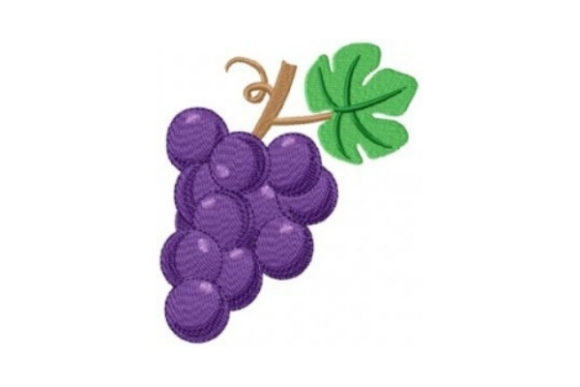
Grape Cluster: A Designer's Take on Wine-Themed Embroidery
As someone who spends hours staring at stitch maps and testing thread tensions, I approach every new machine embroidery design with a mix of excitement and skepticism. When I first loaded the Grape Cluster file into my software, my immediate reaction was one of appreciation for its classic appeal. There is something timeless about wine-themed motifs; they bridge the gap between rustic farmhouse aesthetics and modern boutique elegance. However, a pretty preview on a screen is very different from a finished product on a textured fabric. This review breaks down how this design performs in real-world scenarios, specifically for those of us running craft businesses or creating high-end personalized gifts.
First Impressions and Visual Personality
The Grape Cluster design carries a mood that is both organic and celebratory. Visually, it relies on the natural curvature of the grapes to create a sense of volume without needing excessive detailing. In many wine-related embroidery files, designers often overcomplicate the leaves or add too much shading to the fruit, which can lead to stitching issues. From what I can see in the layout, this design seems to strike a balance. It feels substantial enough to stand alone as a focal point on a tote bag or apron, yet compact enough to work as a pocket accent on a chef's coat or a bistro shirt.
The visual personality here is versatile. It doesn't scream "novelty item" in a cheap way; instead, it suggests a curated lifestyle choice. For an Etsy seller or a small shop owner, this is crucial. You want a design that elevates the perceived value of your handmade product. Whether you are aiming for a harvest festival vibe or a sophisticated vineyard wedding gift, the shape and flow of this cluster adapt well to different color palettes. It invites creativity in thread selection, allowing you to shift from traditional purples and greens to more whimsical monochromatic or seasonal tones.
Real-World Application: The Custom Tote Test
To truly evaluate an embroidery project, I like to imagine it on a specific item before I even hoop the fabric. Let's say I am preparing a custom order for a local winery tour group. They need branded tote bag designs that look professional but fun. The Grape Cluster fits this brief perfectly. On a canvas tote, the density of the fill stitches should provide good coverage, hiding the weave of the fabric while maintaining the rounded shape of the grapes.
If I were stitching this on a heavy cotton twill, I would anticipate a clean result where the satin stitch borders (if present in the specific file version) define the edges sharply against the fill stitch interior. For a sweatshirt embroidery project, perhaps for a cozy "wine night" crewneck, the design needs to breathe. Sweatshirt fleece has a lot of loft, and if the stitch density is too high, the fabric might pucker or the design could become stiff and uncomfortable. My advice here is to check the underlay settings in your digitizing software if you have the editable file, or simply test a scrap piece of similar fleece first.
Another strong contender for this design is kitchen decor. An embroidered tea towel or an apron makes for an excellent personalized gift. The theme naturally complements culinary spaces. However, remember that kitchen textiles undergo frequent washing. You need to ensure that the thread colors used for the grapes—likely deep purples, burgundies, or greens—are colorfast and that the stitching is secure enough to withstand agitation without fraying.
Technical Considerations and Fabric Challenges
While the Grape Cluster is described as suitable for any fabric, experienced decorators know that "any fabric" usually comes with caveats. If you are planning to stitch this on a stretchy jersey knit for a custom apparel line, you must use a high-quality cut-away stabilizer. The weight of the grape cluster, depending on its size and density, could cause the garment to sag over time if not properly supported. Similarly, curved surfaces like caps require careful hooping. Placing a round, dense motif on the front panel of a baseball cap can be tricky; if the design is too wide, it might distort around the curve.
Dark fabrics present another consideration. If you are stitching purple grapes onto a black hoodie, you lose contrast. In this scenario, you might need to rely on the sheen of the thread or incorporate a lighter outline to make the finished product pop. Conversely, on light fabrics, ensure your backing isn't visible through sparse stitching areas. Always review the thread colors suggested in the file key. Sometimes, a digital embroidery file suggests a standard green for leaves, but swapping that for a variegated gold or autumnal orange can completely change the seasonality of the piece, making it perfect for holiday embroidery collections in the fall.
Small Details Matter
One area where many wine-themed designs fail is in the tiny details between the individual grapes. If the gaps are too narrow, the needle can perforate the fabric excessively, leading to a weak spot. If they are too wide, the cluster looks disjointed. When reviewing Grape Cluster, pay close attention to how the individual circles interact. For baby embroidery items, such as a bib or a onesie, you want to avoid overly dense stitching that feels rough against sensitive skin. This design might need to be scaled down or simplified for infant wear, ensuring the hoop size accommodates the reduction without losing definition.
Business Value and Brand Consistency
For creative entrepreneurs, the choice of design assets directly impacts brand consistency. Using a cohesive set of images helps build recognition. If your brand focuses on hospitality, cooking, or leisure, the Grape Cluster serves as a strong visual anchor. It signals quality and attention to detail. Customers often judge the value of a small shop product by the crispness of the embroidery. A well-executed stitchout implies that the maker cares about durability and aesthetics, fostering trust.
When creating printable mockups for your online store, this design offers great versatility. It looks equally good on a rustic wooden background for a farm-to-table aesthetic or on a sleek, minimalist white shirt for a modern boutique. This flexibility allows you to market the same digital embroidery file output to different demographics simply by changing the presentation context.
Final Verdict and Practical Tips
Before committing to a large production run or listing a new item in your shop, treat the Grape Cluster with the respect any professional tool deserves. Here is my checklist for moving forward:
- Test on Scraps: Never skip the test stitch. Use the exact fabric and stabilizer combination you plan to sell.
- Check Licensing: Confirm whether the license allows for commercial embroidery sales. Some designers restrict the number of physical items you can sell.
- Inspect Density: Look at the stitch count relative to the size. High density on thin fabric is a recipe for puckering.
- Contrast Check: View your test stitch in black and white. If the design loses its shape without color, the contrast between elements is too low.
- Wash Test: Wash and dry your sample multiple times to ensure the design holds up to real-life use.
In conclusion, the Grape Cluster appears to be a solid addition to a designer's library, particularly for those focusing on home goods, apparel, and gift markets. Its strength lies in its recognizable silhouette and adaptable nature. While the product description claims it works on "any fabric," your success will depend on your technical preparation and material choices. By understanding the nuances of stitch density, fabric texture, and appropriate stabilization, you can turn this simple motif into a best-selling item for your craft business. Whether you are making a single embroidered patch for a friend or hundreds of units for a boutique, this design offers the reliability and charm needed to create standout pieces.