Microwave Lineart: A Craft Fair Designer's Review
As I spread out my samples on the folding table, preparing for another weekend of craft fairs and handmade markets, my eyes keep drifting back to a specific digital embroidery file sitting in my queue: Microwave Lineart. In the world of kitchen-themed goods, finding a design that balances nostalgia with modern minimalism is often the difference between a browser stopping at your booth or walking right past. This review comes from the perspective of someone who has stitched thousands of items and knows exactly what sells when the foot traffic hits.
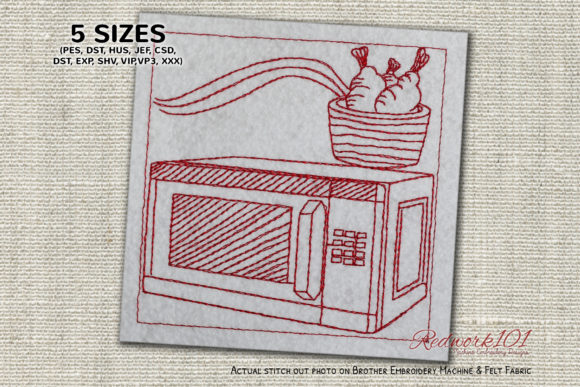
The first impression of Microwave Lineart is undeniably clean and approachable. The title suggests a linear aesthetic, which usually translates to a modern, slightly retro vibe that fits perfectly into the current "farmhouse chic" and "mid-century modern" trends dominating home decor. Unlike overly complex scenic designs that can get lost in the texture of a towel, line art tends to pop because of its simplicity. It feels decorative yet functional, making it an ideal candidate for a wide range of handmade products.
Visual Appeal and Product Versatility
When evaluating where this design stands out, the kitchen category immediately comes to mind. However, the application goes far beyond just hanging art. I envision this machine embroidery design shining brightest on a sturdy canvas tote bag design. The clean lines of a microwave illustration look incredibly crisp against natural cotton or linen, offering that boutique maker aesthetic that Etsy shoppers love. It serves as a perfect focal point without overwhelming the bag's utility.
For apron embroidery, this design offers a playful touch. Placed centrally on the bib or subtly on the lower pocket, it adds personality to a utilitarian garment. Similarly, for tea towel embroidery, the line art style prevents the design from becoming too stiff or heavy, allowing the towel to remain soft and absorbent while still looking gift-ready. The description notes that "The Box Stitch shown in picture is optional," which is a crucial detail for a producer. This flexibility means I can adapt the design for different fabric weights. On a thick waffle weave, skipping the box stitch might prevent puckering, whereas on a smooth tea towel, including it could frame the image beautifully.
Beyond linens, I see strong potential for embroidered patch production. A line art microwave would make a charming iron-on patch for denim jackets or canvas backpacks, appealing to a younger demographic looking for quirky, food-related accessories. For those selling small shop products like zippered pouches or cosmetic bags, this design acts as a delightful accent that elevates the perceived value of the item.
Production Practicality for Batch Selling
From a production standpoint, speed and consistency are key when preparing for a craft fair product lineup. Line art designs generally have lower stitch density compared to filled satin column designs, which means they stitch out faster and use less thread. This efficiency allows for better margins when selling finished goods. The note regarding the outer box color being different in most designs unless part of the design itself suggests a thoughtful layering in the digital embroidery file. This allows me to easily swap thread colors to match various fabric shades without needing to edit the file extensively in software.
Photography is another major factor for online sellers. Microwave Lineart photographs exceptionally well because the high contrast of the lines creates a sharp image even in thumbnail views on mobile devices. Whether creating a printable mockup for an Etsy listing or snapping a quick photo for Instagram stories, the clarity of the design ensures that customers immediately understand what they are looking at. It reads well from a distance, which is vital for booth display strength.
Critical Considerations for Execution
While the design appears straightforward, there are careful-use notes every professional should consider before running a batch. First, always test the design on scrap fabric that matches your final product. Line art can sometimes reveal inconsistencies in tension if the fabric is too loose or too textured. When working with fabric texture like looped terry cloth or heavy canvas, ensure your needle size is appropriate to penetrate without causing damage.
If you plan to use this on curved surfaces, such as caps, be mindful of how the linear elements distort. A straight line on a flat hoop can curve unexpectedly on a structured hat. Additionally, if you are stitching on dark fabric, verify that the line weight is thick enough to stand out. Fine lines can get lost against black or navy backgrounds unless you use a high-contrast thread or a underlay stitch that builds up the surface slightly.
The description mentions skipping the color directly if the box is not part of the design. This implies you have control over the layers. Use this to your advantage. If you are concerned about stitch density on a lightweight fabric, removing the outer box entirely can create a more delicate, floating look that reduces the risk of puckering. Always confirm your hoop size capabilities; while line art is often scalable, ensuring the design fits within your smallest hoop can open up opportunities for smaller items like coasters or napkin rings.
Maximizing Sales and Brand Consistency
Incorporating Microwave Lineart into your inventory can significantly boost buyer engagement. It taps into the "cool kitchen" trend, appealing to foodies, new homeowners, and anyone who appreciates a bit of humor in their decor. For commercial embroidery businesses, this design asset is versatile enough to be licensed for multiple product lines, provided you check the specific commercial licensing terms included with your purchase.
To ensure the highest quality finished product, I recommend using the right stabilizer. For towels, a water-soluble topper can help the stitches sit cleanly on top of the loops, preserving the crispness of the line art. For tote bags, a cut-away stabilizer provides the necessary durability for an item that will carry weight. Review spacing carefully; if you are adding text like "Home Sweet Home" alongside the microwave, ensure there is enough breathing room so the elements don't visually clash.
Ultimately, Microwave Lineart represents the kind of smart, adaptable design that every Etsy seller and boutique maker needs in their library. It bridges the gap between whimsical and sophisticated, making it a safe bet for holiday gifts, housewarming presents, or self-purchase treats. By paying attention to fabric choice, thread contrast, and stabilization, you can turn this simple line drawing into a premium item that commands attention at any market stall.
Before you commit to a full production run, remember to create at least one real mockup. Hold it in your hands, feel the stitch quality, and imagine it on your display table. Does it look premium? Does it fit your brand? If the answer is yes, then this design is ready to become a bestseller in your Kitchen and Embroidery collection. Always double-check the specific file details provided by the creator regarding exact dimensions and license restrictions to ensure your business remains compliant and profitable.