Hot Air Balloon 2020 Redwork Review for Craft Fairs
As I set up my booth for the upcoming weekend market, I am constantly evaluating which machine embroidery design will stop a customer in their tracks. Among the stack of new files on my tablet, the Hot Air Balloon 2020 Redwork Design caught my eye immediately. For those of us running a handmade shop or an Etsy store, the difference between a design that sits idle and one that flies off the shelf often comes down to visual impact and production practicality. This review breaks down how this specific Transportation-themed pattern performs when translated into real-world products like tote bags, aprons, and home decor.
First Impressions and Aesthetic Appeal
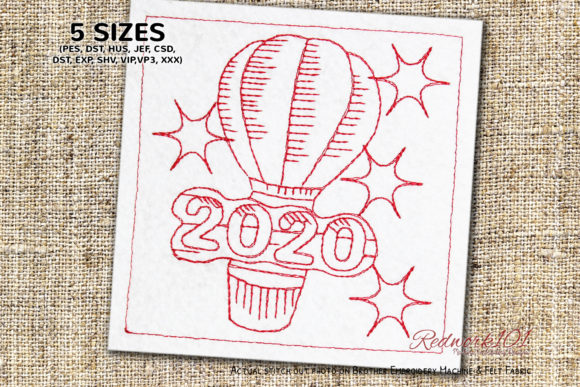
The moment I loaded the preview of the Hot Air Balloon 2020 Redwork Design, the vibe was unmistakably rustic yet modern. Redwork, by definition, relies on a single thread color—traditionally red—against a neutral background, creating a bold, high-contrast look that screams "farmhouse chic." However, the description notes that the outer box stitch is optional and can be skipped if it conflicts with the design flow. This flexibility is a huge plus for a professional designer. It allows me to adapt the artwork for different fabric textures without being locked into a rigid frame that might look out of place on a curved cap or a soft tea towel.
The silhouette of the hot air balloon is simple but recognizable. In the world of Embroidery, simplicity often translates to durability and clarity. Customers walking past a busy craft fair table do not have time to decipher intricate details; they need to understand the image at a glance. This design delivers that instant recognition. It feels decorative and premium, suitable for both children's items and adult home goods, making it a versatile asset for any small shop product line.
Product Applications and Market Fit
When planning my inventory, I visualize exactly where this file will shine. Here is how the Hot Air Balloon 2020 Redwork Design stacks up across various popular craft fair products:
- Tote Bags and Market Bags: This is likely the strongest contender for this design. The large, flat surface of a canvas tote provides the perfect canvas for redwork. The single-color stitching stands out beautifully against natural cotton or denim, creating a stylish tote bag design that appeals to eco-conscious shoppers.
- Apron Embroidery: Kitchen enthusiasts love themed linens. Placing the balloon on the bib of a linen apron adds a whimsical touch. Since redwork uses minimal thread, it remains comfortable against the body without bulky buildup.
- Tea Towel Embroidery: Waffle weave or flour sack towels are staples at holiday markets. The open nature of redwork prevents the fabric from puckering, ensuring the finished product lays flat and looks professional.
- Embroidered Patches: If stitched on twill with a merrowed edge, this design makes an excellent iron-on patch. Patches are low-cost, high-margin items that allow customers to customize their own jackets or bags later.
- Pillow Covers: For home decor, this design works well as a focal point on a throw pillow. The transportation theme adds a playful element to a nursery or a travel-inspired living room.
While the design is versatile, it is crucial to consider scale. On a small pouch or a child's cap, the details must remain clear. If the balloon basket or ropes are too fine, they may get lost on textured materials. This is where the option to remove the outer box becomes vital; eliminating unnecessary borders can free up space for the main subject to breathe on smaller items.
Production Practicality for Batch Making
For an Etsy seller or craft fair vendor, time is money. The efficiency of your digital embroidery file directly impacts your profit margin. Redwork designs are generally faster to stitch than full-fill satins because they utilize running stitches rather than dense coverage. The Hot Air Balloon 2020 Redwork Design appears to follow this trend, suggesting a quick stitch-out time.
However, before committing to a batch of fifty aprons, there are critical steps to take. First, always test the design on scrap fabric that matches your final product. Check the stitch density; while redwork is typically light, some digitizers add extra underlay or connecting stitches that can cause puckering on lightweight linens. Second, verify the hoop size requirements. If the design is large, ensure your machine frame can accommodate it without re-hooping, which introduces alignment errors.
Photography is another key factor. This design photographs exceptionally well for online listings because the high contrast creates a sharp image even in natural light. When creating a printable mockup or taking photos for your shop, the clean lines of the balloon will pop against neutral backgrounds, increasing click-through rates. The lack of complex shading means the image looks consistent whether viewed on a phone screen or in person at a booth.
Careful Use Notes and Technical Considerations
Despite its strengths, every design has limitations. Here are specific areas where caution is advised when using the Hot Air Balloon 2020 Redwork Design:
- Fabric Texture: Avoid using this on highly textured fabrics like thick chenille or looped terry cloth unless you use a heavy topping stabilizer. The running stitches can sink into deep piles, making the balloon shape indistinct.
- Dark Fabric: Traditional redwork uses red thread. If you plan to stitch this on navy or black fabric, ensure your red thread has enough vibrancy to stand out. Alternatively, consider changing the thread colors to white or gold for a different aesthetic, provided the license allows modification.
- Curved Surfaces: When embroidering caps, the curvature can distort the image. The optional box mentioned in the description might actually help frame the design on a hat, but test this carefully. If the box feels too rigid, skip it to prevent the design from looking cramped on the front panel.
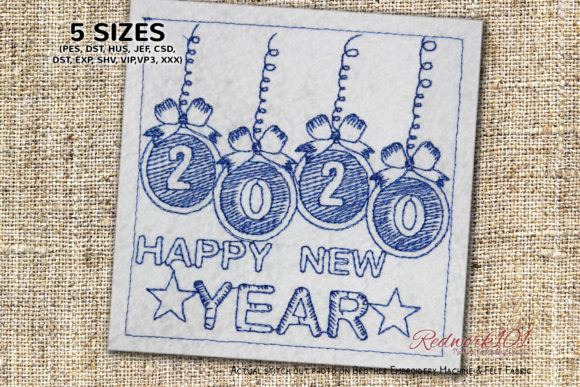
- Small Lettering: If the design includes any text (such as "2020"), inspect it closely at small sizes. Tiny lettering can fill in and become unreadable if the stitch count is too high or the fabric shifts.
Maximizing Value and Brand Consistency
Incorporating the Hot Air Balloon 2020 Redwork Design into your collection can significantly boost your brand's visual consistency. Because the style is timeless, it does not feel dated quickly, allowing you to sell these items year after year. It adds a layer of handmade quality that mass-produced goods cannot replicate. Customers at craft fairs are looking for uniqueness; seeing a cohesive line of balloons on towels, bags, and patches tells them you are a thoughtful creator, not just a reseller.
Furthermore, this design encourages buyer engagement. It sparks conversations about travel, adventure, and nostalgia. When a customer stops to ask about the balloon, you have the opportunity to explain your process, the quality of your materials, and the story behind your brand. This personal connection is what drives sales in the commercial embroidery and handmade sectors.
Final Designer Recommendations
Before listing this as a craft fair product, I recommend a final checklist. Confirm the commercial licensing terms explicitly. While the description hints at flexibility with the box stitch, ensure you have the right to sell finished goods made from this embroidery file. Create at least one physical mockup to show customers the texture and quality of the stitching. Compare how the design looks on white versus cream fabric to see which offers better contrast.
The Hot Air Balloon 2020 Redwork Design is a strong contender for any maker looking to expand their Transportation category. With its clean lines, adaptable layout, and charming aesthetic, it has the potential to become a bestseller in your handmade shop. By paying attention to fabric choice, stabilizer selection, and presentation, you can turn this digital asset into a tangible product that customers will love to take home.