Tasty Sandwich Redwork Design Review for Craft Fairs
As an embroidery designer who has spent countless weekends setting up booth displays and managing online shops, I know that the difference between a bestseller and a table ornament often comes down to the design itself. When I first pulled up the Tasty Sandwich Redwork Design on my screen while prepping for an upcoming handmade market, my immediate reaction was one of practical optimism. This isn't just a cute graphic; it is a strategic asset for anyone looking to expand their Food category offerings within the Embroidery niche.
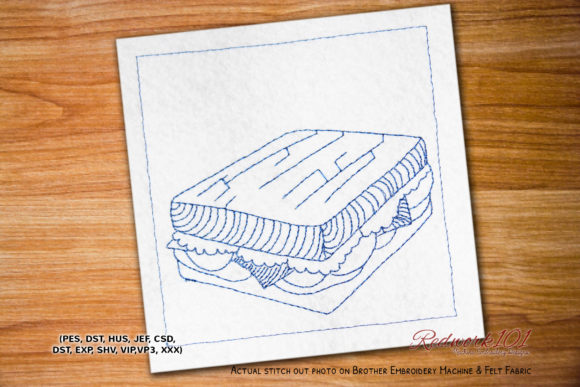
The first impression of this machine embroidery design is undeniably charming and approachable. Redwork, by its nature, offers a rustic, farmhouse aesthetic that resonates deeply with current trends in home decor and kitchen accessories. The simplicity of the single-color outline gives it a hand-drawn, artisanal feel that mass-produced items simply cannot replicate. For a craft fair product, this visual language is crucial. Customers walking down the aisle are drawn to items that feel personal and nostalgic. The "Tasty Sandwich" motif hits a sweet spot between whimsical and functional, making it an ideal candidate for a wide range of handmade products.
Visual Impact and Product Versatility
When evaluating where this design shines, I immediately thought of my standard booth inventory: tote bags, aprons, and tea towels. The Tasty Sandwich Redwork Design performs exceptionally well as a tote bag design. On a natural canvas or a muted pastel bag, the red stitching pops without being overwhelming. It serves as a perfect focal point that tells a story—perhaps suggesting a picnic, a school lunch, or just a love for comfort food.
Moving to the kitchen sector, this file is a powerhouse for apron embroidery and tea towel embroidery. Kitchen linens are high-turnover items at markets, and buyers love designs that add personality to utilitarian objects. The clean lines of the sandwich illustration ensure that even from a distance of three feet, a customer can instantly recognize the subject matter. This instant readability is vital for booth traffic; if a shopper has to squint to understand the image, they usually keep walking.
Beyond flat fabrics, I considered how this would translate to structured items like caps or small pouches. The description notes that "The Box Stitch shown in picture is optional," which is a fantastic feature for versatility. If you are embroidering on a curved cap surface, skipping the outer box allows the design to breathe and conform better to the shape without distortion. For an embroidered patch, however, keeping the box might provide a nice border that defines the edge of the patch, making it look more finished and premium.
Production Practicality for Small Shops
For an Etsy seller or a boutique maker, production speed and consistency are just as important as aesthetics. One of the strongest selling points of the Tasty Sandwich Redwork Design is its likely efficiency. Redwork designs typically utilize running stitches with minimal fill, meaning lower stitch density. This translates to faster run times on your machine, allowing you to batch produce more units before a market weekend. It also means less thread consumption, which helps maintain healthy profit margins on small shop products.
However, practical judgment requires looking at potential pitfalls. While redwork is generally forgiving, the clarity of the line work depends heavily on your material choice. On thick, textured towels, fine lines can sometimes get lost or appear jagged. I strongly advise testing the embroidery file on scrap fabric that matches your intended fabric texture exactly. If you plan to sell these on dark fabrics, remember that red thread can sometimes blend in if the lighting is poor, so high-contrast thread choices are essential.
The product description mentions that "The color of outer Box is different color in most of the designs unless it is part of the design itself, you can skip the color directly in." This implies some customization is needed on your end. Before committing to a large production run, you must review the file in your editing software. You may need to manually adjust thread colors or delete specific stop points to ensure the workflow matches your machine's capabilities and your desired two-tone or single-tone look.
Maximizing Sales Through Presentation
In the world of commercial embroidery and digital sales, presentation is everything. When creating listings for this design, the visual appeal directly impacts buyer engagement. Because the design is simple, it photographs beautifully for printable mockups. You can easily place it on various backgrounds without it looking cluttered. For your physical booth, consider displaying the finished product alongside the raw materials or a "work in progress" hoop to highlight the handmade quality. This transparency builds trust and justifies a higher price point.
Brand consistency is another factor. If your shop specializes in rustic kitchen goods, the Tasty Sandwich Redwork Design fits seamlessly into your catalog. It reinforces your brand identity as a creator of cozy, food-inspired goods. However, if your brand is ultra-modern and minimalist, you might need to experiment with thread weights or fabric choices to ensure it doesn't feel too traditional.
Essential Designer Notes for Success
To ensure the highest quality results, here are my professional recommendations for working with this specific asset:
- Test Before You Sell: Always stitch out the design on a scrap piece of your actual inventory fabric. Check for puckering, especially if using lightweight linens for tea towels.
- Stabilizer Selection: Even though redwork is light, using the correct stabilizer is non-negotiable. A cut-away stabilizer is often safer for items that will be washed frequently, like aprons and tote bags.
- Hoop Size Verification: The description does not specify the exact hoop size required. Check the file properties in your software to confirm it fits your machine's smallest hoop if you plan on making patches or small pouches.
- License Confirmation: Before listing any finished products on Etsy or at a craft fair, confirm the commercial licensing terms of the digital embroidery file. Ensure you are compliant with the creator's rules regarding resale.
- Detail Inspection: Look closely at the sandwich layers. If the lines are too close together, they might merge during stitching. You may need to adjust the pull compensation or density settings in your software.
Ultimately, the Tasty Sandwich Redwork Design is a versatile, low-risk addition to any embroidery business portfolio. Its strength lies in its simplicity and its ability to evoke a sense of warmth and fun. Whether you are stocking up for a holiday market or refreshing your online store, this design offers a solid foundation for creating products that customers want to take home. By paying attention to fabric choices, thread contrast, and production details, you can turn this simple digital file into a standout star of your next sales event.