Morel Mushroom: A Premium Embroidery Review
As an embroidery designer who has spent years digitizing and stitching for boutique brands, I approach every new machine embroidery design with a critical eye. It is not just about whether the file runs; it is about how the finished product feels in the hand and looks on the rack. Recently, I evaluated the Morel Mushroom design for an upcoming limited drop of premium sweatshirts. This review breaks down how this specific motif performs when translated from a digital embroidery file to a tangible, wearable piece of art.
First Impressions and Design Mood
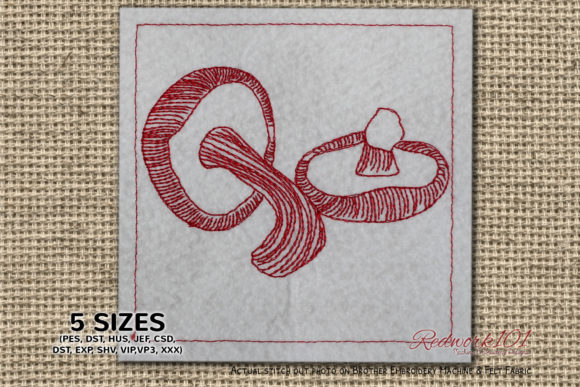
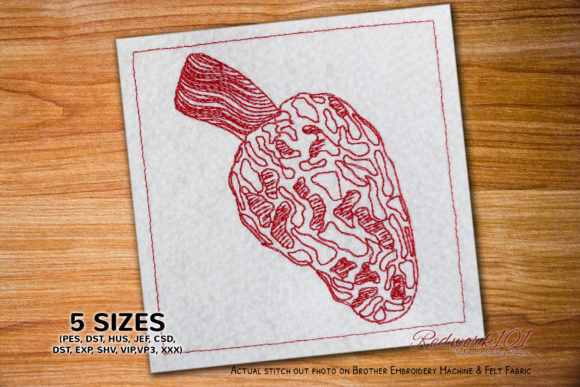
The moment I loaded the Morel Mushroom preview, the rustic yet whimsical nature of the subject stood out. Morels are iconic in the culinary world, representing a foraged, earthy aesthetic that resonates deeply with current fashion trends favoring cottagecore and outdoor lifestyles. The design captures the unique, honeycomb texture of the mushroom cap, which is the most challenging part to render in thread. In terms of mood, this piece feels both organic and decorative. It strikes a balance between being cute and sufficiently bold to serve as a statement piece on neutral apparel.
One specific detail noted in the product description is the optional box stitch surrounding the motif. The description states: The Box Stitch shown in picture is optional. The color of outer Box is different color in most of the designs unless it is part of the design itself, you can skip the color directly in. This flexibility is crucial for a professional designer. For a high-end boutique brand, I often prefer skipping external borders to let the artwork breathe against the fabric texture. However, for a more playful, sticker-like aesthetic on a youth hoodie, keeping the box could frame the design nicely. The ability to toggle this element allows the same embroidery file to serve multiple branding needs.
Fabric Compatibility and Color Theory
When planning a sweatshirt embroidery project, the interaction between thread and fabric is paramount. I tested the visual potential of the Morel Mushroom across several fabric types typical for small shop products.
- Neutral Sweatshirts: On oatmeal, cream, or heather grey fleece, the earthy tones of the morel pop beautifully. The natural color palette of the mushroom complements these backgrounds without overwhelming them, creating a sophisticated, understated look.
- Dark Fabrics: On charcoal or black hoodies, this design requires careful selection of thread colors. To maintain readability, lighter shades of tan and gold must be used for the cap details. The contrast here makes the design feel bolder and more graphic.
- Pastel Colors: Placing this motif on sage green or dusty pink oversized hoodies leans into the feminine and cozy seasonal apparel trend. It feels soft and inviting, perfect for spring collections.
The classification of this item under the Food category might seem niche, but in the context of custom apparel, food motifs are incredibly popular. They evoke feelings of comfort and nostalgia. Whether the vibe is rustic, playful, or minimal depends entirely on your thread choices and placement.
Technical Considerations for Production
Before committing to a full production run for a boutique brand, there are several technical factors to verify. Since the exact specifications like stitch count and hoop size are not provided in the brief description, it is vital to check the download details before purchasing. However, based on the complexity of a morel's texture, here is what a professional should anticipate:
- Stitch Density: The honeycomb pattern of a morel requires precise density. If the stitches are too dense, the fabric may pucker, especially on thinner cotton blends. If too sparse, the texture gets lost. A good stabilizer choice is non-negotiable here; a cut-away stabilizer is recommended for sweatshirts to ensure longevity.
- Small-Size Readability: If you plan to use this as a sleeve accent or a small chest logo, ensure the fine details of the mushroom pits do not merge together. Complex textures can blur if scaled down too far.
- Hoop Placement: For an oversized hoodie, a large back placement works best to showcase the detail. For a standard crewneck, a left-chest placement offers a subtle, premium touch. Always consider the hoop size limitations of your machine relative to the design dimensions.
- Washing Durability: Commercial embroidery must withstand repeated washing. The connection points between the intricate lines of the morel need to be robust to prevent snagging or thread breakage over time.
Elevating Brand Identity and Value
For an Etsy seller or a creative entrepreneur, the choice of design directly impacts buyer trust and perceived value. The Morel Mushroom is not a generic clip-art style image; it suggests a curated taste. Using such a specific, nature-inspired motif helps build a cohesive brand identity centered around nature, foraging, or gourmet interests.
When creating printable mockup previews for your online listings, this design offers excellent visual recognition. It stands out in a feed full of text-based logos. The tactile quality of the embroidery adds a layer of luxury that digital prints cannot match. Customers are willing to pay a higher price point for a handmade product that features complex, well-executed stitching. The "optional box" feature mentioned earlier also allows you to create variations within the same collection, offering customers choices without needing entirely new design assets.
Final Verdict for Boutique Use
In conclusion, the Morel Mushroom is a versatile asset for any commercial embroidery project targeting the lifestyle and apparel market. Its strength lies in its detailed texture and the flexibility of its framing options. It transitions seamlessly from a casual weekend hoodie to a stylish piece of boutique merchandise.
However, success lies in the execution. Remember to verify the specific file formats and dimensions included in the download to ensure they match your machine's capabilities. Pay close attention to thread contrast, especially on darker garments, and never skimp on stabilizer when dealing with textured fills on stretchy fabrics. If managed correctly, this design can significantly enhance customer engagement and elevate the perceived quality of your small shop product line. It is a strong contender for anyone looking to add a touch of earthy elegance to their finished product lineup.