Enoki Mushroom Lineart: A Designer's Review
As an embroidery designer who has spent years digitizing and stitching for boutique brands, I am always on the lookout for designs that bridge the gap between whimsical charm and commercial viability. Recently, I had the opportunity to evaluate the Enoki Mushroom Lineart for an upcoming limited drop of premium sweatshirts. In the current market, where cottagecore aesthetics and nature-inspired motifs are dominating social media feeds, finding a design that feels fresh yet timeless is crucial. This review breaks down how this specific machine embroidery design performs when translated from a digital embroidery file to a tangible, wearable piece of art.
First Impressions and Aesthetic Mood
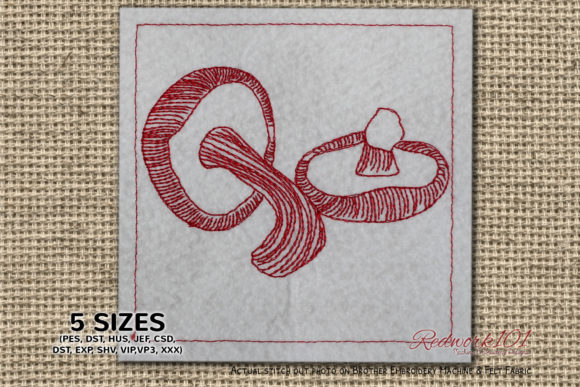
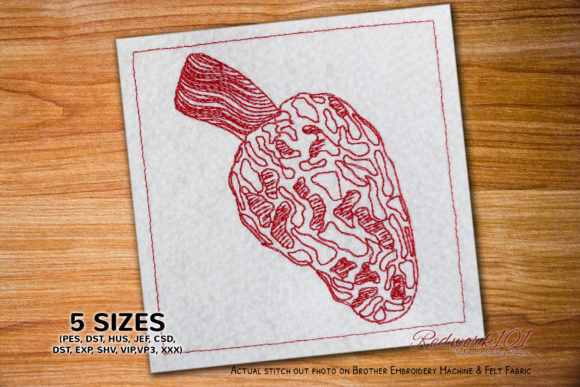
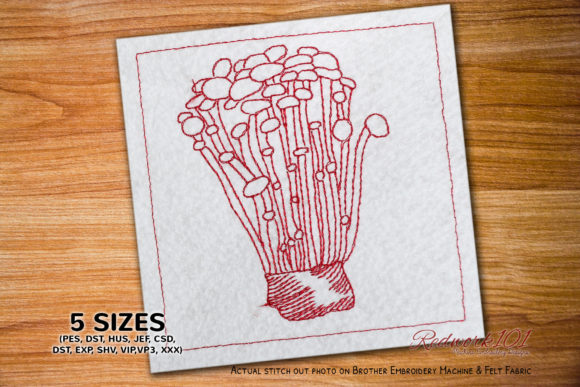
Upon loading the Enoki Mushroom Lineart into my digitizing software, the immediate impression was one of delicate minimalism. The line work captures the unique, slender structure of the enoki mushroom perfectly, offering a vibe that is both rustic and playful. Unlike bold, blocky logos often used in streetwear, this design leans heavily into the "cute" and "feminine" categories, making it an ideal candidate for the cozy seasonal apparel trend we are seeing right now.
The layout suggests a strong potential for sweatshirt embroidery where subtlety is key. For a small shop product aiming to stand out on Etsy or in a local boutique, this design offers a decorative element that doesn't scream for attention but invites a closer look. It feels premium because of its simplicity; it trusts the quality of the stitch to do the talking rather than relying on heavy fill densities or excessive color changes.
Fabric Compatibility and Color Strategy
One of the most critical aspects of reviewing any embroidery file is visualizing it across different fabric textures. The Enoki Mushroom Lineart shines particularly well on neutral sweatshirts. Imagine a heather grey or oatmeal-colored fleece; the fine lines of the mushroom would pop gently against the soft background, creating a sophisticated, earthy look.
However, the real test for any line art is performance on dark fabric. When planning a hoodie design in charcoal or navy, you must consider thread color contrast carefully. Since this is line art, using a stark white or cream thread against a dark background can create a striking, high-contrast graphic that feels very modern. Conversely, using tonal threads—like a sage green on a forest green hoodie—creates a subtle, textural effect that appeals to customers looking for understated luxury.
For pastel colors, which are huge in the spring and summer seasons, this design maintains its integrity without getting lost. The slender stems and small caps of the enoki mushrooms translate beautifully onto baby pink or lavender fabrics, enhancing the overall "cozy" narrative of the collection. It is versatile enough to serve as a central chest logo or a smaller accent.
Technical Considerations for Production
From a technical standpoint, there are several practical designer concerns to address before running this design on a commercial machine. While the specific stitch count and hoop size were not provided in the initial asset description, these are details you must verify before production begins. Always check the recommended hoop size to ensure your machine can accommodate the placement you desire, whether that is a large back design or a petite sleeve accent.
Stitch density is another major factor. Line art generally requires lower density than fill stitches, which is excellent for maintaining the drape of a heavy sweatshirt. However, if the lines are too sparse, they may not cover the fabric texture effectively, especially on loopback French terry. You may need to adjust your stabilizer choice accordingly. For thicker fleece materials, a cut-away stabilizer is often superior to tear-away, ensuring that the finished product remains durable wash after wash without the design puckering or distorting.
Small-size readability is also paramount. If you intend to use this as a left-chest logo for a boutique brand, ensure the thinnest parts of the mushroom stems do not become indistinguishable blobs of thread. A test stitch-out on the actual garment fabric is non-negotiable here. This step confirms whether the design feels strong enough for commercial embroidery use or if it needs slight digitizing tweaks to sharpen the details.
Placement Ideas for Custom Apparel
The versatility of the Enoki Mushroom Lineart allows for creative freedom in custom apparel branding. Here are a few placement strategies that could elevate your product line:
- Chest Pocket Accent: Placing a small version of the design on the pocket area of an oversized hoodie creates a focal point that feels intentional and curated.
- Sleeve Embellishment: Running a cluster of the mushrooms down the forearm adds a unique twist to standard sweatshirt silhouettes, appealing to customers who want something different from the norm.
- Back Yoke Design: Scaling the design up for the upper back allows the intricate line work to be appreciated fully, turning a simple garment into a statement piece.
- Hem Tagging: A tiny iteration near the bottom hem can act as a subtle signature, reinforcing brand identity without overwhelming the viewer.
These placements not only enhance the visual appeal but also improve the perceived value of the item. When customers see thoughtful placement and high-quality execution, their trust in the handmade product increases significantly.
Marketing and Brand Identity
In the world of online selling, particularly for an Etsy seller or independent creator, the visual presentation is everything. The Enoki Mushroom Lineart is highly photogenic, making it perfect for lifestyle product photography. Its clean lines photograph well in natural light, allowing you to create stunning printable mockup previews or flat-lay images that stop the scroll on Instagram and Pinterest.
Using this design helps build a cohesive brand identity centered around nature, comfort, and artisanal quality. It signals to your audience that your brand pays attention to detail and trends. Furthermore, because the design falls under the Food category but is stylized as art, it taps into the popular "goblin core" and fungal aesthetic niches without being overly literal or cartoonish. This balance drives customer engagement and can turn a casual browser into a loyal buyer.
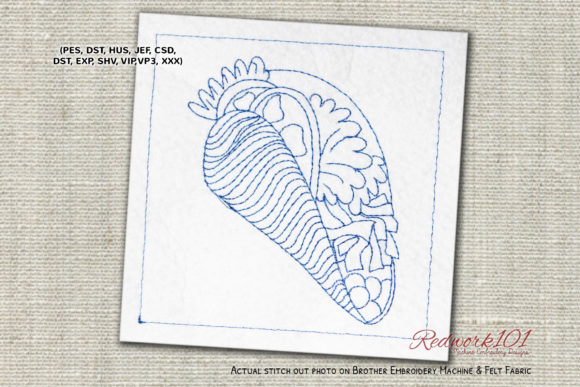
It is important to note a specific detail regarding the file structure: "The Box Stitch shown in picture is optional. The color of outer Box is different color in most of the designs unless it is part of the design itself, you can skip the color directly in." This flexibility is a massive plus for design assets. It means you can easily adapt the file to match your specific thread palette or remove the border entirely for a floating organic look, giving you more control over the final aesthetic.
Final Verdict for Boutique Use
After evaluating the Enoki Mushroom Lineart through the lens of a professional designer, I can confidently say it is a strong contender for any small clothing brands looking to expand their autumn or winter collections. It balances the playful nature of food-themed embroidery with the sophistication required for premium apparel. Whether you are decorating oversized hoodies for a local market or shipping custom orders globally, this design delivers on both style and substance.
Just remember to verify the technical specs like thread colors, exact dimensions, and license terms before committing to a large run. With the right fabric, proper stabilization, and strategic placement, this design has the power to become a signature element of your brand, driving sales and fostering a deep connection with your community of crafters and creative entrepreneurs.