Swiss Cheese Embroidery: A Designer's Review for Real Projects
As an embroidery designer who spends countless hours digitizing, stitching, and selling handmade goods, I am always cautious about which digital embroidery file assets I add to my library. When I stumbled upon the Swiss Cheese design on Creative Fabrica, my immediate thought wasn't just about cuteness; it was about utility. Could this whimsical Food category item hold up in a real-world commercial setting? Would it stitch cleanly on a stretchy sweatshirt or a structured cap? This review breaks down the potential of Swiss Cheese from the perspective of a professional looking to create high-quality handmade products.
First Impressions: Visual Mood and Stitching Personality
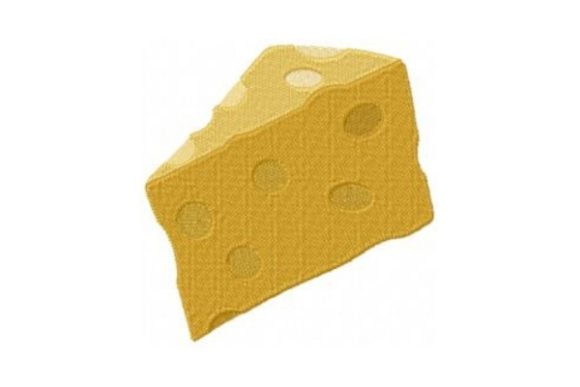
The first thing that strikes you about the Swiss Cheese design is its playful yet classic aesthetic. In the world of machine embroidery design, food motifs can often look too cartoonish or overly complex, but this design strikes a balance. It possesses a charming "stitching personality" that feels at home in both modern farmhouse decor and quirky streetwear. The visual mood is lighthearted, making it an instant candidate for personalized gifts and boutique merchandise.
From a technical standpoint, the design appears to utilize a mix of stitch types effectively. You can expect a combination of fill stitch for the body of the cheese to give it solid coverage, likely paired with satin stitch borders to define the iconic holes and edges. There may also be running stitch elements for texture or outlining. This variety is crucial because it adds depth to the finished product, preventing the design from looking flat or amateurish. For designers curating a portfolio of design assets, having a food motif that looks professional rather than childish is a significant win.
Real-World Application: Where Swiss Cheese Shines
The true test of any Creative Fabrica embroidery file is how it translates from the screen to actual fabric. I evaluated Swiss Cheese against several common project scenarios that small business owners and crafters face daily.
- Custom Apparel: This design is a natural fit for sweatshirt embroidery. The whimsical nature of cheese pairs perfectly with the current trend of oversized, comfort-focused clothing. Imagine a cream-colored hoodie with this design stitched in warm yellows and oranges on the left chest or as a large back print.
- Tote Bags and Aprons: For kitchen enthusiasts, this is a goldmine. A canvas tote bag design featuring Swiss Cheese could be part of a "Grocery Run" collection, while an apron becomes an instant conversation starter for the home chef. The design's simplicity ensures it reads well even from a distance.
- Nursery and Home Decor: Food themes are surprisingly popular in nurseries. This could anchor a "Yummy" themed pillow cover or a wall hanging. Because the shapes are distinct, it works well for printable mockup creation, allowing sellers to visualize the product before stitching a single thread.
- Embroidered Patches: If you are into making patches, the self-contained shape of the cheese wedge makes it an excellent candidate. It can be easily cut out and applied to jackets or hats, adding value to your Etsy listings.
Technical Considerations for Professional Results
While the design is lovely, a professional review must address the practical challenges of execution. Before committing to a customer order, there are several factors to consider regarding stitch density and fabric compatibility.
Fabric Selection and Stabilizer: The performance of Swiss Cheese will vary significantly depending on the material. On woven fabrics like linen or cotton twill, the fill stitch areas should lay flat and smooth. However, if you are attempting custom apparel on stretchy knits, such as a baby onesie or a jersey t-shirt, proper stabilization is non-negotiable. I recommend using a cut-away stabilizer for long-lasting durability, especially if the item will undergo frequent washing. Without it, the dense areas of the cheese might cause the fabric to pucker over time.
Hoop Size and Placement: One of the advantages of food motifs is their scalability, but you must confirm the hoop size requirements listed in the product details. If the design is large, it might not fit on a standard cap frame without resizing, which can alter the stitch density and lead to thread breaks. Always check the provided file sizes. If you are stitching on curved surfaces like caps, ensure the design isn't too wide, as this can cause registration issues on the front panel.
Thread Color Contrast: To make Swiss Cheese pop, thoughtful thread selection is key. On dark fabrics, you will need high-contrast colors to ensure the holes and outlines are visible. Conversely, on light fabrics, using tonal threads can create a sophisticated, subtle look. Always stitch a test run on scrap fabric identical to your final material. This allows you to inspect small details, such as whether the tiny holes in the cheese close up due to high density or if the satin borders cover the fill cleanly.
Enhancing Product Value and Brand Consistency
Incorporating a well-chosen design like Swiss Cheese can directly impact your brand perception. For commercial embroidery businesses, consistency is vital. If your brand focuses on fun, approachable, and high-quality goods, this design reinforces that message. It adds a layer of "giftability" to your inventory; customers are more likely to purchase an item that feels unique and thoughtfully designed.
Furthermore, the visual appeal of this design aids in product photography. The recognizable shape and cheerful colors make for engaging social media content, driving customer engagement. Whether you are selling at a craft fair or running an online boutique, offering items with cohesive, professional embroidery builds buyer trust. It shows that you care about the quality of the applique design or embroidered element you are presenting.
Final Verdict and Usage Tips
The Swiss Cheese embroidery design is a versatile asset for any creative entrepreneur. Its strength lies in its adaptability across various Food and lifestyle projects, from kitchen towels to trendy hoodies. However, success depends on preparation.
Before launching a product line with this design, adhere to these best practices:
- Verify File Details: Since the product description mentions multiple formats, ensure you download the specific file compatible with your machine brand (e.g., PES, DST, JEF).
- Check Licensing: Always review the license terms on the Creative Fabrica product page. Confirm that the license allows for commercial embroidery and the sale of physical finished goods.
- Test Rigorously: Never skip the test stitch. Check how the design behaves on both light and dark fabrics to anticipate any needed underlay adjustments.
- Mind the Density: If stitching on textured fabrics like terry cloth towels, be aware that the pile might hide fine details. You may need to adjust pull compensation or choose a slightly larger size.
In conclusion, Swiss Cheese offers a delightful opportunity to expand your handmade shop offerings. With careful attention to stabilizer choice, thread contrast, and fabric type, this design can become a staple in your collection of best-selling items. It is a reminder that even simple food motifs, when executed with professional precision, can elevate a basic garment into a cherished keepsake.