Shiitake Mushroom Redwork: A Pro Review for Branding
As an embroidery designer who has spent years digitizing and reviewing files for commercial use, I approach every new machine embroidery design with a critical eye. It is not just about whether the image looks cute on a screen; it is about how that image translates into thread, how it withstands washing, and ultimately, how it serves a small business owner's brand identity. Today, I am taking a close look at the Shiitake Mushroom Redwork. This design sits squarely in the Food category but offers versatility that extends far beyond culinary applications. For boutique owners, café operators, and handmade product creators, this file represents a potential goldmine for creating cohesive small business merch.
First Impressions: Rustic Charm Meets Professional Simplicity
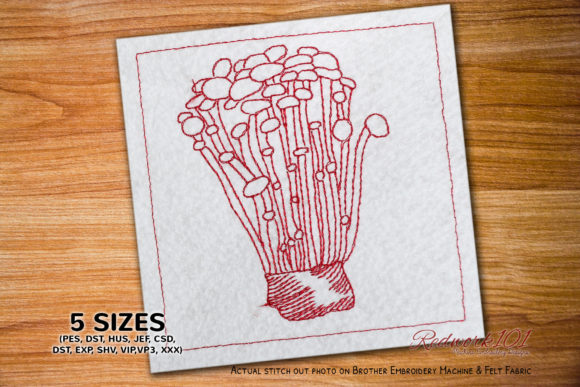
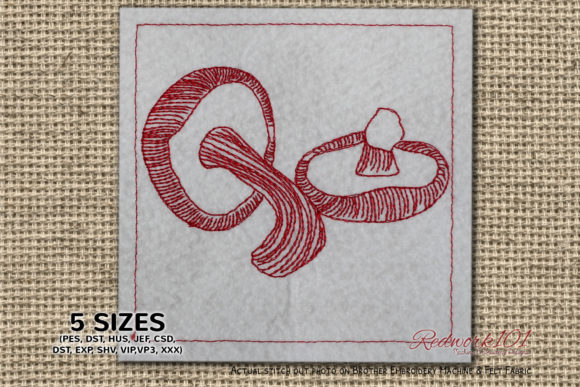
The immediate visual impact of the Shiitake Mushroom Redwork is one of approachable elegance. The term "Redwork" historically refers to embroidery done in a single color, usually red, on unbleached or white fabric. This style inherently carries a vintage, handmade aesthetic that resonates deeply with current market trends. Consumers are increasingly drawn to brands that feel authentic and grounded. This design captures that spirit perfectly. It feels rustic yet clean, playful yet sophisticated enough for a professional uniform.
What stands out most is the simplicity. In the world of commercial embroidery, less is often more. Complex designs with thousands of stitches can become muddy when scaled down or embroidered on textured fabrics. The line-work nature of this mushroom design suggests a lower stitch density, which is a massive advantage. It means the finished product will remain flexible and soft, a crucial factor for custom apparel like t-shirts and hoodies where customers demand comfort.
Real-World Applications for Small Business Merchandise
Let's move from theory to practice. Imagine you own a local organic café or a farm-to-table bakery. Staff uniforms are a walking billboard for your brand. Applying the Shiitake Mushroom Redwork as an apron embroidery detail creates an instant connection between the staff and the fresh, natural ingredients you serve. Because the design is likely uncomplicated, it can be stitched quickly, reducing labor costs while maintaining a high-end look.
Beyond uniforms, consider the potential for retail merchandise. Tote bags are a staple for eco-conscious brands. A tote bag design featuring this mushroom motif works beautifully on canvas or heavy cotton. The open spaces in the redwork style allow the texture of the bag to show through, enhancing the handmade feel. Similarly, for a florist or a plant shop, this design could serve as a charming cap embroidery logo. The curved surface of a cap can be tricky for dense designs, but the linear nature of this mushroom file should navigate the curve without puckering, provided the digitizing is sound.
For Etsy sellers and crafters, this file is ideal for creating embroidered patch products. Patches are a low-risk, high-reward product line. You can stitch multiple units on a single hoop and cut them out later. The distinct outline of the shiitake makes it easy to cut around, whether you are making iron-on backing or velcro tabs for hats and jackets. It also works exceptionally well as a chest logo accent on work shirts, offering a subtle nod to nature without overwhelming the garment.
Navigating Technical Challenges and Fabric Choices
While the design is promising, a professional review must address potential pitfalls. The product description notes that "The Box Stitch shown in picture is optional." This is a critical detail for business use. If you are aiming for a modern, minimalist look, skipping the box is likely the better choice. However, if you need a contained logo for a specific placement, such as a pocket square or a small label, the box might provide necessary structure. Be aware that the description also mentions the outer box color varies. You must verify the thread colors in your specific digital embroidery file before sending it to production to ensure it matches your brand palette.
Placement matters immensely. On dark uniforms, redwork traditionally uses red thread, which may not offer sufficient contrast. You might need to adjust the thread chart to use white or a brand-specific color to ensure visibility. Furthermore, when working with textured fabrics like Terry cloth towels or thick wool sweaters, the fine lines of the mushroom could get lost. In these cases, testing on a scrap piece of the actual material is non-negotiable.
Another consideration is size. If you intend to use this as a tiny label on packaging or a small tag on a garment, ensure the details do not merge. High-resolution monitors can deceive us; what looks crisp on a printable mockup might turn into a blob of thread at one inch wide. Always request a physical sample or stitch out a test run before committing to a large batch of design assets.
Elevating Brand Identity and Customer Trust
In today's saturated market, visual consistency is key to building trust. Using a cohesive element like the Shiitake Mushroom Redwork across various touchpoints—from your website header to your staff aprons—creates a memorable brand experience. It signals attention to detail. When a customer receives a tote bag with a neatly embroidered mushroom rather than a cheap vinyl print, the perceived value of your handmade product skyrockets.
This design also fosters engagement. Nature-themed imagery invites conversation. A customer might ask about the specific type of mushroom, opening a dialogue about your sourcing or your love for nature. This emotional connection transforms a simple transaction into a relationship. For food-related businesses, it reinforces the message of freshness and organic quality without needing words.
Essential Designer Notes for Production
Before you integrate this file into your workflow, here is a checklist based on my experience:
- Test in Monochrome: Even if the file comes in color, stitch a version in black and white first. This reveals the true structure of the design and ensures it holds up without relying on color blocking.
- Verify Hoop Size: The description does not specify the exact hoop size required. Check your machine's capabilities and the file dimensions to ensure it fits your intended hoop, especially if you plan on doing multi-item hooping for patches.
- Stabilizer Selection: Choose the right stabilizer for your fabric. For stretchy knits used in t-shirts, a cut-away stabilizer is usually best to prevent distortion over time. For woven tote bags, a tear-away might suffice.
- Licensing Check: Always confirm the commercial licensing terms. Just because you can buy a file online does not automatically grant you the right to sell finished goods made with it. Ensure the license covers "commercial embroidery" and unlimited product sales if you plan to scale.
- Mockup Approval: Create a printable mockup or a digital composite showing the design on your specific merchandise. Show this to your client or team before stitching to align expectations.
The Shiitake Mushroom Redwork is more than just a pretty picture; it is a versatile tool for branding. Whether you are decorating caps for a landscaping crew, aprons for a bistro, or tote bags for a farmers market vendor, this design offers the perfect blend of charm and professionalism. By paying attention to the technical details—like the optional box stitch and thread contrast—you can leverage this embroidery file to create a finished product that truly stands out. Remember, the devil is in the details, and in embroidery, those details are stitched in thread.