Review: Healthy Pomegranate Fruits Redwork Design
As a designer who spends more time at the hoop than away from it, I approach every new machine embroidery design with a critical eye. It is not just about whether the image looks cute on a screen; it is about how that embroidery file translates into thread, how it sits on fabric, and whether it holds up under the scrutiny of a paying customer. Recently, I took a close look at the Healthy Pomegranate Fruits Redwork design to see if it earns a spot in my commercial library. This isn't a generic food icon; it is a specific stylistic choice that demands the right application to shine.
The Aesthetic Appeal of Redwork Style
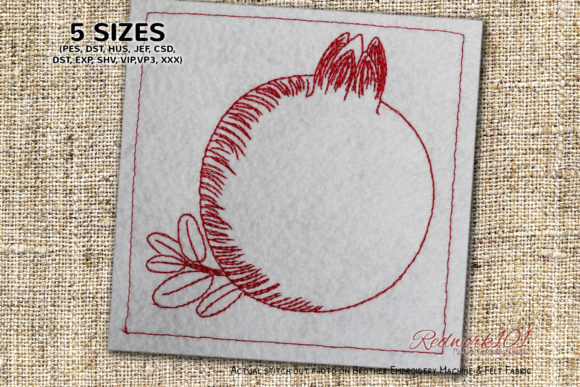
The first thing that strikes me about this design is its commitment to the redwork aesthetic. In an era where dense fill stitch and complex shading dominate the market, there is something refreshing about the simplicity of single-color line work. The Healthy Pomegranate Fruits Redwork design captures the organic, slightly irregular shape of the fruit without over-complicating the stitch path. The mood it creates is rustic, wholesome, and timeless. It feels less like a modern digital graphic and more like a traditional motif you might find on vintage kitchen linens.
Visually, the layout is clean. The lines appear to rely heavily on running stitch, which is ideal for maintaining that hand-drawn feel. For a craft business owner, this is a significant advantage. Simple designs often read better on smaller items where complex details can get lost or turn into a muddy mess. The visual personality here suggests health, vitality, and natural ingredients, making it a perfect fit for projects centered around wellness, organic foods, or home cooking.
Real-World Application: The Kitchen Towel Scenario
To truly evaluate this embroidery project, I imagined a specific real-life scenario: creating a set of custom flour sack towels for a boutique kitchenware shop. These towels are typically made of lightweight cotton or linen, fabrics that can be tricky with heavy digitizing. The Healthy Pomegranate Fruits Redwork design excels here precisely because it is not dense. Unlike a heavy satin stitch logo that might cause the towel to pucker or hang unevenly, this lighter design allows the fabric texture to breathe.
If I were stitching this for a client, I would likely skip the optional box stitch mentioned in the product notes. While a frame can sometimes add structure, in this case, the free-floating fruit feels more organic and versatile. Without the box, the design becomes a flexible design asset that can be placed in the corner of a napkin, centered on a tote bag, or even used as a small motif on a child's bib. The lack of a rigid border means it adapts easily to curved surfaces or irregular placement areas, giving the finished product a high-end, custom look rather than a stamped-on appearance.
Versatility Across Product Lines
Beyond kitchen textiles, this design has strong potential for custom apparel. Imagine a simple heather grey sweatshirt with this pomegranate stitched in a deep burgundy thread on the left chest. It creates a subtle, sophisticated look that appeals to adults who want personalized gift items that aren't overly childish. For Etsy sellers focusing on baby embroidery, this could be a standout element on a onesie, provided the scale is adjusted correctly. The theme of "healthy" aligns perfectly with the current market trend toward natural living and organic baby products.
For those running a small shop selling printable mockup previews or digital goods, this design offers excellent versatility. Because it is essentially line art, it photographs well and converts nicely into black-and-white previews for listings. However, if you are planning to sell physical goods, remember that the thread colors you choose will define the final impact. While redwork traditionally uses red thread, experimenting with deep greens or golds could transform this from a kitchen motif into a holiday-themed decoration.
Technical Considerations and Fabric Choices
While the design is forgiving, it is not without its technical requirements. When working with redwork styles, the clarity of the line is everything. If your machine tension is off, gaps in the running stitch will be immediately visible. Therefore, testing on scrap fabric is non-negotiable. I strongly advise checking the stitch density settings on your machine. Since there is no heavy fill to hide imperfections, your stabilizer game needs to be on point. For stretchy fabrics like t-shirts or caps, a cut-away stabilizer is essential to prevent the design from distorting after washing.
One specific note from the product description mentions that the outer box color often differs in various versions of the design and can be skipped. This is a crucial detail for production efficiency. If you are doing a large run of commercial embroidery, eliminating an unnecessary color stop saves time and reduces thread waste. However, if you are using the box, ensure the contrast between the fruit and the frame is sufficient. On dark fabrics, you must ensure the thread has enough sheen or brightness to pop against the background, or the intricate details of the pomegranate crown and seeds may get lost.
Limitations and Where to Be Careful
There are scenarios where this design requires caution. If you are attempting to stitch this on a textured fabric like a thick waffle weave or a fuzzy fleece, the fine lines of the redwork might get swallowed by the pile of the fabric. In those cases, a denser applique design or one with more satin column work might be a safer bet. Additionally, if you are working with very small hoop size constraints, ensure the details of the pomegranate seeds do not become so minute that they cause frequent thread breaks.
Furthermore, because this is a food-themed design, context matters. While it works beautifully for kitchen decor or health-conscious branding, it might feel out of place on formal wear or corporate uniforms unless the brand identity specifically revolves around nutrition or agriculture. Always consider the end-user's perception. A customer buying a holiday embroidery gift expects certain motifs; ensure this pomegranate fits the seasonal narrative you are building, perhaps by pairing it with holly or winter foliage in a larger composition.
Final Verdict for Design Professionals
The Healthy Pomegranate Fruits Redwork design is a solid addition to a professional portfolio, particularly for those specializing in home decor, kitchen accessories, and natural lifestyle products. Its strength lies in its simplicity and adaptability. It does not try to do too much, which allows the quality of the stitching and the choice of materials to take center stage. For creative entrepreneurs, this represents a low-risk, high-reward asset that can be applied across a wide range of small shop products.
Before committing to a full production run, always verify the specific file formats compatible with your machines and double-check the licensing terms if you intend to sell the digital embroidery file itself or use it for mass-market merchandise. Check the stitch count and recommended hoop sizes provided by the vendor, as these were not explicitly detailed in the initial overview. With proper testing and thoughtful application, this design can elevate a simple piece of fabric into a cherished handmade product that customers love to own and display.