Brown Recluse Spiders: A Designer's Review for Real Projects
When I first pulled up the Brown Recluse Spiders design on my screen, my immediate reaction was one of cautious appreciation. As someone who spends hours staring at digitized patterns and analyzing how they translate to thread, I look for more than just a pretty picture. I look for viability. Does this machine embroidery design hold up under the needle? Will it survive a wash cycle on a customer's favorite hoodie? This specific pattern, categorized under Bugs, offers a distinct aesthetic that leans into the creepy-crawly vibe without feeling cartoonish, which is a delicate balance to strike in the world of Embroidery.
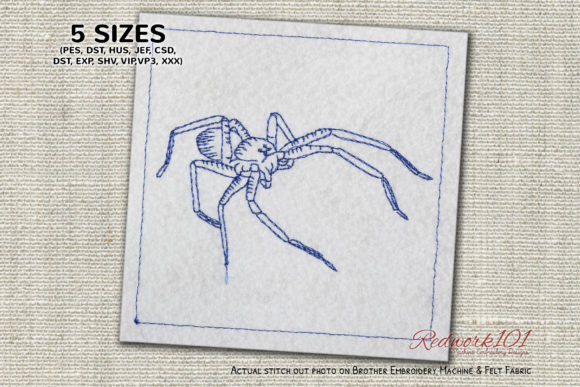
The visual personality of this design is stark and effective. It captures the essence of the arachnid with a level of detail that suggests movement, yet remains static enough to stitch cleanly. The mood it creates is edgy, making it a perfect candidate for niche markets rather than general nursery decor. If you are an Etsy seller looking to expand your catalog beyond floral monograms or cute animals, this design offers a gateway into the gothic, outdoor enthusiast, or horror-themed sectors. However, before you commit to stitching this onto a batch of custom apparel, there are practical considerations we need to discuss regarding its application in real-world scenarios.
Real-World Application: The Custom Tote Test
To truly evaluate the Brown Recluse Spiders pattern, I imagined a specific project: a custom order for a local nature guide who wanted branded merchandise for her hiking tours. She requested a durable tote bag design that reflected the local wildlife, including the less cuddly inhabitants. This is where the rubber meets the road. Placing this design on a canvas tote requires careful thought about stitch density. Canvas has a coarse fabric texture, and if the digitizing is too dense, the fabric can pucker or become stiff and uncomfortable to handle.
In this scenario, the design performs well because the shapes are generally solid, allowing for good coverage without excessive overlapping that causes bulk. For a handmade product like this, the visual appeal is high; it signals authenticity and a connection to the wild. However, if you were adapting this for a sweatshirt embroidery project, the approach changes. On fleece or French terry, you must ensure the stabilizer is robust enough to support the weight of the spider's body, particularly if the design utilizes significant fill stitch areas. A wobbly spider on a soft garment looks unprofessional and can erode customer trust quickly.
Navigating Fabric Challenges and Hoop Constraints
One of the most critical aspects of using the Brown Recluse Spiders design is understanding where it might struggle. While it shines on flat, stable surfaces like denim jackets or pillow covers, caution is advised when working with stretchy fabrics or curved surfaces. If you attempt to place this on a structured cap, the curvature can distort the legs of the spider, making them look uneven unless you have extensive experience manipulating embroidery files for 3D surfaces. Similarly, on thin fabrics like a lightweight tee, the density of the spider could show through to the back or cause the material to tear over time with frequent washing.
It is also vital to consider the scale. If you are downsizing this for a small embroidered patch or a pocket logo, the fine details of the legs might merge together. In Embroidery, tiny details often get lost when reduced below a certain inch threshold. I always recommend running a test stitch-out on scrap fabric of the same weight and type as your final product. This simple step saves money on ruined blanks and ensures that the thread colors you've selected provide enough contrast against the background fabric. A dark brown spider on a black shirt, for instance, might look muddy unless you use a lighter outline or a contrasting satin stitch border.
Commercial Viability and Brand Consistency
For craft business owners and digital product sellers, the value of a design lies not just in its looks, but in its versatility and the professionalism of the finished result. The Brown Recluse Spiders motif has strong brand potential for specific niches—think pest control companies with a sense of humor, Halloween boutique items, or outdoor gear shops. When used correctly, it enhances brand consistency by delivering a clear, recognizable image that resonates with the target audience.
However, the product description notes an important detail: "The Box Stitch shown in picture is optional. The color of outer Box is different color in most of the designs unless it is part of the design itself, you can skip the color direc." This implies flexibility, which is a huge plus for a designer. It means you can adapt the framing of the spider to fit your specific hoop size or aesthetic preference. You aren't locked into a rigid box if your finished product calls for a free-floating insect. This adaptability allows you to create unique printable mockups that stand out in a crowded marketplace, whether you are selling physical goods or the digital embroidery file itself.
Final Verdict and Designer Notes
Ultimately, the Brown Recluse Spiders design is a solid addition to a specialized library. It is not a universal "safe" design like a heart or a star; it carries a specific attitude. Before integrating it into your inventory or using it for a client's personalized gift, keep these practical tips in mind:
- Test First: Always stitch a sample on the actual fabric you intend to use. Check for puckering, especially around the legs.
- Check Licensing: Confirm the license terms before selling items made with this design. Some files are for personal use only, while others allow commercial sales.
- Contrast Matters: Ensure your thread selection pops against the fabric. Low contrast can make the intricate details of the spider disappear.
- Stabilizer Selection: Match your stabilizer to the fabric weight. Heavy designs need heavy support to maintain their shape after washing.
- Detail Inspection: Look closely at the smallest corners of the design. If the legs are too thin, they may break during stitching or wear.
In conclusion, if you are looking to add some edge to your holiday embroidery collection or create a standout piece for a niche client, this design delivers. It respects the complexity of the subject matter while remaining manageable for standard home and commercial machines. Just remember, the difference between a good product and a great one often comes down to the preparation and the respect you show for the materials. Treat the Brown Recluse Spiders with the right technical approach, and it will serve as a compelling centerpiece for your next creative venture.