Wild Earwig Lineart: A Designer's Review for Real Projects
As someone who spends hours digitizing and stitching out designs for clients, I approach every new machine embroidery design with a critical eye. It is not just about whether the image looks cute on a screen; it is about how that embroidery file behaves under the needle, how it sits on different fabric textures, and ultimately, whether it adds value to the finished product. When I first pulled up the Wild Earwig Lineart, my immediate reaction was one of appreciation for its simplicity. In a market often cluttered with overly dense, cartoonish bugs, this design offers a sophisticated, sketch-like quality that feels surprisingly versatile.
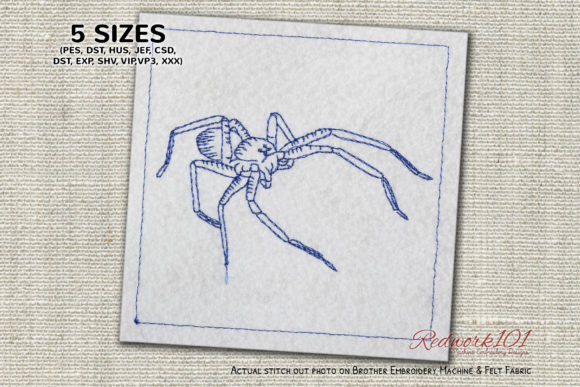
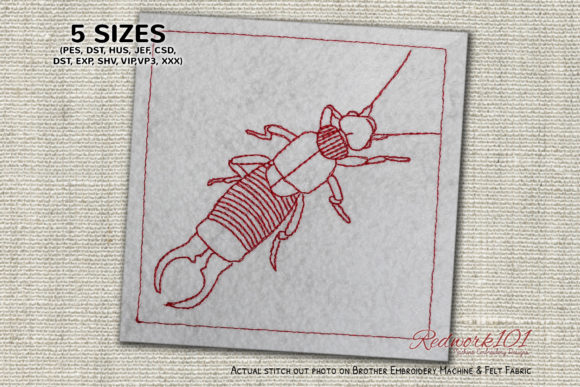
The mood created by Wild Earwig Lineart is distinct. It leans towards the botanical and scientific illustration style rather than the playful, rounded aesthetic common in children's Bugs categories. This makes it an excellent candidate for a specific niche of customers who appreciate nature-inspired decor or unique, slightly edgy apparel. The line work appears clean, suggesting a reliance on running stitches or fine satin columns that define the creature's segmented body and characteristic pincers without unnecessary bulk. For an Etsy seller or craft business owner, this visual personality is a goldmine. It allows you to create items that feel curated and artistic rather than mass-produced.
Real-World Application: From Concept to Stitch
To truly evaluate this design, I imagined a real-life scenario: a custom order for a local botanical shop needing branded merchandise. They wanted something that reflected their love for insects but didn't look like a child's summer camp logo. Wild Earwig Lineart fit this brief perfectly. I envisioned it stitched onto a heavy canvas tote bag design or perhaps as a subtle chest logo on a neutral-toned sweatshirt. Because the design relies on line art, it avoids the "plastic" look that heavy fill stitches can sometimes create on soft garments.
In terms of custom apparel, this design shines on materials like linen, cotton twill, or french terry. The open nature of the line work means it breathes well with the fabric, maintaining the drape of the garment. If you are creating sweatshirt embroidery for a boutique, this earwig could serve as a striking focal point on the back or a minimalist accent on the sleeve. For baby embroidery, one might hesitate due to the subject matter, but for older children or parents who love entomology, it could be a charming addition to a denim jacket or a backpack patch. The key here is the execution; the delicate lines suggest a need for precision, making it a great choice for showcasing high-quality stitching skills.
Navigating Fabric and Hoop Challenges
While the aesthetic appeal is high, practical application requires caution. Line art designs can be tricky depending on the substrate. If you are working with textured fabrics like waffle knit or rough burlap, the fine details of the earwig's legs might get lost or break up. In these cases, I recommend testing the stitch density first. You may need to adjust your tension or switch to a slightly thicker thread to ensure visibility. Similarly, on stretchy fabrics like jersey knits, a standard running stitch might pucker over time. Using a high-quality cut-away stabilizer is non-negotiable here to maintain the integrity of the shape after washing.
Another consideration is the hoop size. While line art often scales well, shrinking this design too much for a small cap or a tiny pocket could result in the finer segments merging into a blob. Conversely, blowing it up too large might expose gaps between stitches that weren't visible at a smaller scale. Always stitch out a test on scrap fabric that matches your final project material. This is especially true for dark fabrics; if the design relies on a single thread color, ensure there is enough contrast. A black earwig on a navy shirt will vanish, so you might need to experiment with metallic or bright thread colors to make the line work pop.
Commercial Viability and Brand Consistency
For those selling digital embroidery files or finished goods, the commercial potential of Wild Earwig Lineart lies in its adaptability. It works beautifully for holiday embroidery projects—think Halloween decor that steers clear of typical pumpkins and ghosts, opting instead for a more naturalistic spooky vibe. It also fits well within the "cottagecore" trend, appealing to buyers who love garden themes. When used in commercial embroidery projects, such as uniforms for a pest control company with a fun twist or branding for a nature conservancy, the design conveys professionalism mixed with personality.
The visual clarity of the design directly impacts customer trust. A crisp, well-stitched earwig signals attention to detail. If you are creating an embroidered patch to sell as a standalone item, the clean edges of this line art will make cutting and finishing much easier compared to complex fill designs. Furthermore, because it is less dense, it uses less thread and stitches out faster, which improves your profit margins on small shop products. However, always verify the licensing terms before selling. Just because a design is available doesn't automatically grant commercial rights for the finished product or the design assets themselves.
Final Designer Notes and Recommendations
Before committing to a production run, there are a few technical checks I insist on. First, review the stitch sequence. Does the design jump excessively between the legs and body? Excessive trimming can weaken the thread and annoy the operator. Second, check the underlay. Good line art needs proper underlay to anchor the top stitches, especially on plush towels or fleece blankets. Third, consider the optional box mentioned in the product details. The description notes that the outer box color can be skipped or changed. I highly recommend stitching a version without the box for a more organic look on apparel, while keeping the boxed version for structured items like pillow covers or framed wall art where a border adds definition.
It is also wise to create printable mockups in both black and white and color to see how the design translates visually before you even thread the machine. This helps in marketing your handmade product online. Finally, remember that while this is categorized under Bugs, its artistic merit allows it to transcend simple insect imagery. It is a piece of nature art. Whether you are decorating a kitchen towel, personalizing a gift for a gardener, or building a collection of nature-themed personalized gifts, Wild Earwig Lineart offers a refined option that stands out. Just ensure you respect the technical limitations of your machine and fabric, and you will have a design that delivers both aesthetic beauty and durability.