Lepidoptera Lineart: A Designer's Review for Brand Merch
As an embroidery designer who has spent years digitizing and testing files for small business clients, I approach every new machine embroidery design with a critical eye. It is not just about whether the image looks pretty on a screen; it is about how that digital embroidery file translates into a tangible asset that builds brand equity. Today, I am reviewing Lepidoptera Lineart, a design from the Bugs category, specifically evaluating its potential for branded patches, staff uniforms, and boutique merchandise.
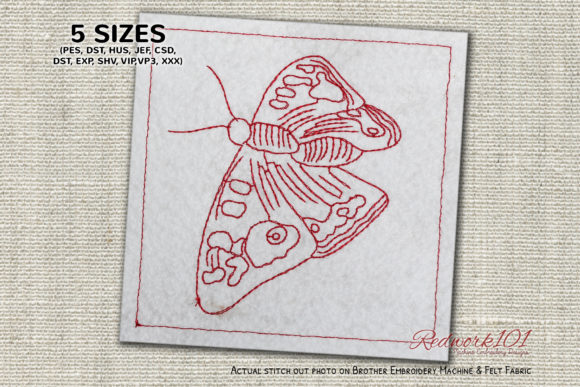
My first impression of Lepidoptera Lineart is one of refined elegance mixed with a touch of whimsical charm. The term "lineart" suggests a focus on clean outlines and minimal shading, which is often ideal for modern branding. Unlike overly complex illustrations that can turn into a muddy mess when stitched out, line art tends to offer clarity. This design feels professional yet approachable, making it a versatile candidate for businesses that want to convey creativity without sacrificing sophistication. Whether you run a floral studio, a pet grooming salon, or an artisanal bakery, this aesthetic bridges the gap between handmade warmth and corporate polish.
Real-World Application for Small Business Merch
The true test of any embroidery file is its versatility across different products. For small business owners, consistency is key to building brand identity. Lepidoptera Lineart shines in its ability to adapt to various surfaces. Imagine a local coffee shop using this motif on barista aprons. The clean lines would stand out beautifully against canvas or twill, serving as a subtle signature rather than a loud advertisement. Similarly, for a boutique selling handmade goods, this design could be applied as an embroidered patch sewn onto tote bags or packaging accents, adding perceived value to the finished product.
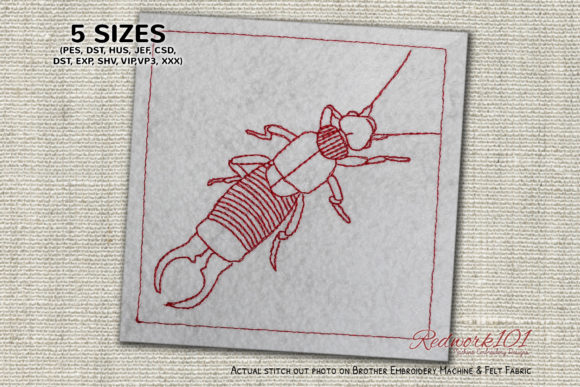
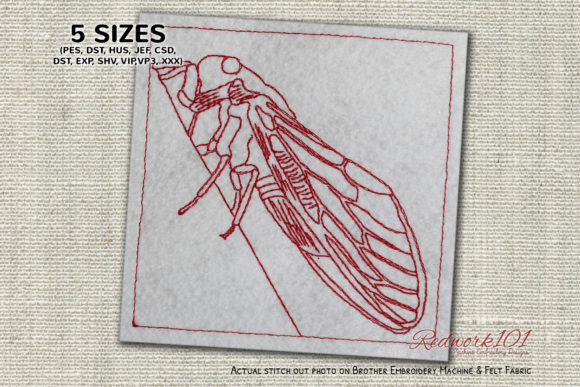
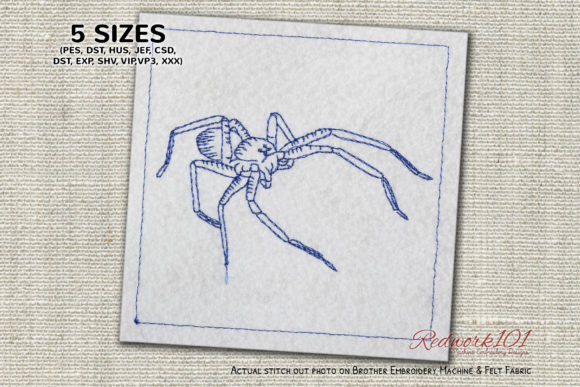
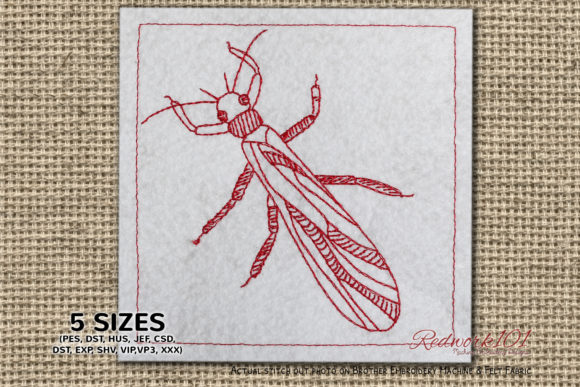
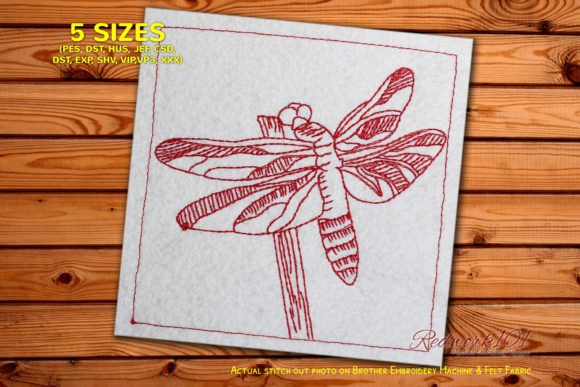
I also see strong potential for this design in the realm of custom apparel for creative teams. A tech startup or design agency looking for something unique might place this on the sleeve of a work shirt or the front of a dad hat. Because the description notes that "The Box Stitch shown in picture is optional," this offers incredible flexibility. You can choose to include the border for a contained, badge-like look, or skip it entirely to let the butterfly motif float freely on the fabric. This adaptability allows you to tailor the design to specific design assets within your broader marketing strategy.
Navigating Technical Challenges in Production
While the aesthetic appeal is high, we must discuss the technical execution. The product description mentions that "The color of outer Box is different color in most of the designs unless it is part of the design itself, you can skip the color directly in you." This phrasing suggests that the digitizer has provided options, but it places the responsibility on the embroiderer to manage thread changes and layering. When working with Lepidoptera Lineart, attention to thread colors is paramount. If you are stitching on dark uniforms, you must ensure there is sufficient contrast. A light-colored butterfly on a navy polo works well, but if the line weight is too fine, it may get lost.
Furthermore, consider the stitch density. Line art designs can sometimes suffer if the density is too low, resulting in gaps where the fabric shows through, or too high, causing the fabric to pucker. Before committing to a large run of commercial embroidery, I strongly advise testing the file on the actual fabric you intend to use. Fabric texture plays a massive role here; a rough linen tote bag will react differently to the stitches than a smooth polyester cap. For items like caps, which have a curved surface, ensure the design is centered correctly and that the hoop size accommodates the curvature without distorting the image.
Another critical factor is the use of a proper stabilizer. Since this design likely relies on precise outlines to define the shape of the lepidoptera, any shifting during the stitching process will ruin the crispness of the lines. For stretchy fabrics like t-shirts or softshell jackets, a cut-away stabilizer is often safer than tear-away to maintain the integrity of the design over time, especially for items that will undergo frequent washing.
Impact on Brand Perception and Customer Trust
Why does a specific embroidery design matter for your bottom line? In the era of Etsy sellers and direct-to-consumer brands, the details signal quality. A poorly executed logo can make a business look amateurish, while a crisp, well-stitched emblem like Lepidoptera Lineart signals professionalism. It tells the customer that you care about the presentation of your handmade product or service. When a client receives a tote bag or a uniform with a high-quality embroidered mark, it fosters trust and recognition.
This design can serve as a powerful tool for visual consistency. If you use Lepidoptera Lineart across your website, your printable mockup materials, and your physical merchandise, you create a cohesive brand experience. It becomes a recognizable symbol that customers associate with your specific niche. For example, a florist using a butterfly motif reinforces the natural, organic nature of their business, while a children's boutique might use it to evoke a sense of playfulness and growth.
Essential Designer Notes for Implementation
Before you purchase or stitch this file for a client project, here are my practical recommendations based on years of industry experience:
- Test in Monochrome First: Always stitch a sample in black and white or a single color. This reveals the true structure of the design and highlights any spacing issues without the distraction of multiple thread colors.
- Verify Sizing Limits: Check if the design holds up at small patch sizes. Fine line art can disappear if scaled down too much. Ensure the smallest details remain distinct when reduced to a 2-inch diameter for a chest logo.
- Review the Optional Box: Since the box stitch is optional, decide early if it fits your layout. Removing it might require minor editing in your embroidery software to ensure the jump stitches are trimmed and the design flows naturally.
- Confirm Licensing: Always verify the commercial licensing terms before using Lepidoptera Lineart for client work or mass-produced merch. Ensure you have the right to sell the finished goods.
- Create Client Mockups: Use the digital file to create a printable mockup for client approval before hooping the fabric. This saves time and thread if the client wants adjustments to the placement or size.
- Check File Formats: Ensure the downloaded digital embroidery file matches your machine's requirements (PES, DST, EXP, etc.) to avoid conversion errors that could alter stitch paths.
In conclusion, Lepidoptera Lineart represents a solid choice for businesses looking to elevate their merchandise game. Its blend of classic imagery and modern line-work execution makes it suitable for a wide range of applications, from cap embroidery to elaborate apron embroidery. However, its success relies heavily on the skill of the operator and the quality of the setup. By paying attention to stabilizer choices, thread contrast, and sizing constraints, you can transform this simple bug design into a premium brand asset that resonates with your audience and stands the test of time.