Pterygota Redwork: A Designer's Review for Real Projects
As an embroidery designer who spends countless hours digitizing and stitching for clients, I am always cautious about downloading new machine embroidery design files. The market is flooded with options, but finding a digital embroidery file that truly holds up under the needle and looks professional on a finished product is rare. Recently, I evaluated the Pterygota Redwork collection from Creative Fabrica to see if it deserved a spot in my commercial library. This review breaks down my honest assessment of using these Bugs themed designs for real-world applications like custom apparel, home decor, and boutique merchandise.
First Impressions and Visual Mood
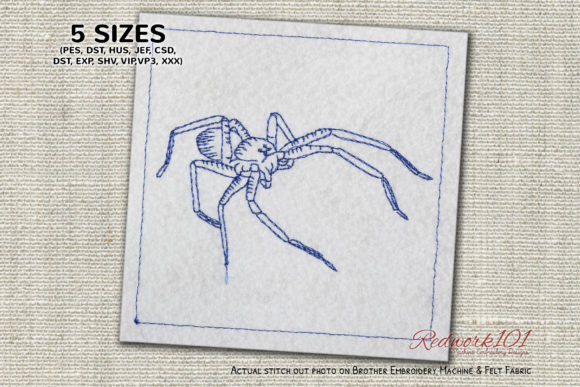
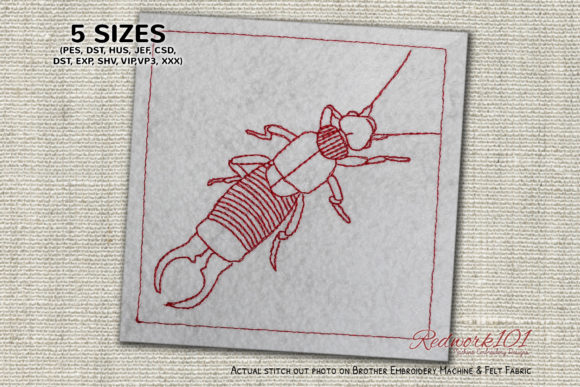
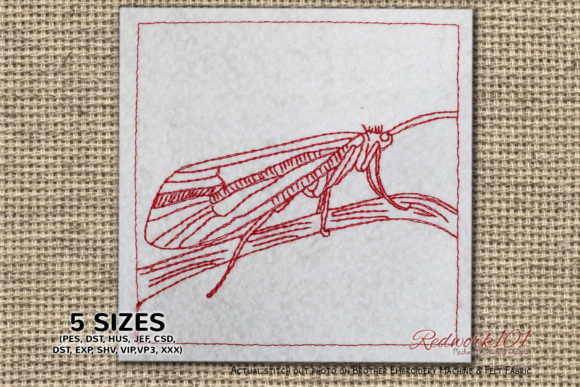
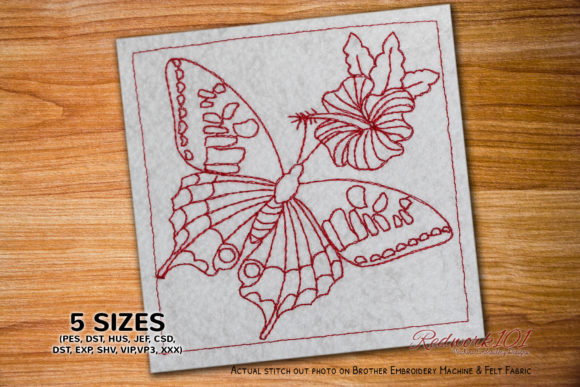
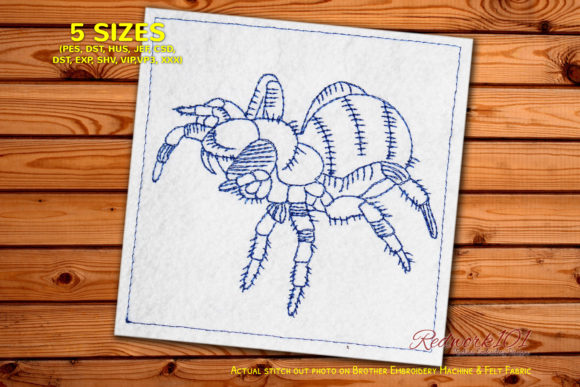
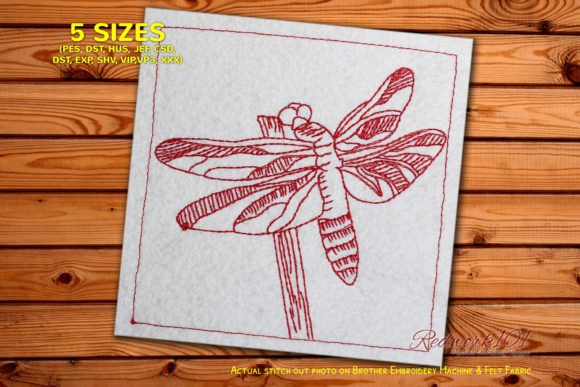
When I first opened the preview images for Pterygota Redwork, the immediate takeaway was the charm of the redwork style. There is a nostalgic, vintage quality to single-color outline stitching that appeals strongly to current trends in handmade goods. The designs feature insect motifs that are whimsical rather than scary, making them perfect for nursery decor or quirky fashion statements. The line work appears clean, suggesting a well-digitized running stitch path that should minimize thread breaks and bird nests.
The "redwork" aesthetic relies heavily on contrast. Since these designs typically use one thread color against a fabric background, the visual impact depends entirely on your material choice. For a project like a natural linen tote bag design or a crisp white kitchen towel, a deep red or navy thread would pop beautifully. However, the versatility here is key; while the style is traditional, the subject matter feels modern enough for contemporary custom apparel.
Performance on Real Embroidery Projects
The true test of any embroidery file is how it performs when stitched out on actual products. I mentally mapped Pterygota Redwork across several potential customer orders to gauge its utility.
- Custom Apparel and Sweatshirts: For sweatshirt embroidery, the open nature of redwork is ideal. Heavy fill stitches can make fleece stiff and uncomfortable, but these outline designs sit lightly on the fabric, maintaining the garment's drape. They would look excellent on the chest pocket of a flannel shirt or the sleeve of a hoodie.
- Tote Bags and Aprons: Canvas and cotton twill are forgiving fabrics for this type of work. The designs would serve as beautiful focal points for market bags or kitchen aprons. Because there are no dense fill stitch areas, the risk of fabric puckering is significantly reduced, even on lighter weight canvas.
- Nursery Decor and Baby Items: The bug theme is naturally suited for children's items. On a baby blanket or bib, the simplicity of the design ensures there are no rough, thick edges that could irritate sensitive skin. It creates a soft, hand-drawn look that parents love for personalized gift items.
- Embroidered Patches: If you plan to create an embroidered patch, these outlines are fantastic. They can be easily bordered with a satin column or a merrow edge. The lack of complex internal detailing makes them easy to cut out by hand or machine after stitching.
Technical Considerations for Commercial Use
While the aesthetic is promising, a professional must consider the technical limitations before selling a handmade product. The product description notes that "The Box Stitch shown in picture is optional" and mentions color variations for outer boxes. This implies that the digitizer has included framing elements that may need adjustment. Before starting a production run, you must check the stitch density and sequence in your editing software.
If you are working with stretchy fabrics like jersey knits for t-shirts, the open structure of redwork is generally safe, but proper stabilization is non-negotiable. I recommend using a cut-away stabilizer for garments that will undergo frequent washing to prevent the design from distorting over time. For textured fabrics like towels, ensure the needle penetrates cleanly without pulling the loops of the terrycloth, which can happen if the running stitch is too long or the tension is too tight.
One critical area to inspect is the hoop size. While redwork designs are often small, some variations in the collection might be larger. Always confirm the dimensions fit your available hoops, especially if you are embroidering on curved surfaces like caps. A design that is too wide may not fit a standard cap frame, requiring you to resize the file, which can alter the stitch length and compromise quality.
Enhancing Product Value and Brand Consistency
In the world of Etsy selling and craft fairs, presentation is everything. Using a cohesive set of designs like Pterygota Redwork can help establish brand consistency. If you specialize in nature-themed goods, these bug motifs can become a signature element across your shop. They photograph exceptionally well; the high contrast of single-line stitching creates sharp, clear images for your printable mockup listings and social media posts.
Furthermore, the simplicity of the design allows for creative customization. You can easily add monograms or small text elements nearby without the design looking cluttered. This flexibility increases the perceived value of the item, allowing you to charge a premium for a "custom" feel. Customers often trust handmade items more when the embroidery looks intentional and clean, rather than overly dense and mechanical.
Practical Steps Before You Stitch
To ensure success with Pterygota Redwork, I advise following a strict pre-production checklist. First, always test on scrap fabric that matches your final material. Check the thread color contrast; a dark thread on dark fabric will render the design invisible, so plan your thread colors carefully. Second, review the file details on the Creative Fabrica product page. Since the description mentions optional box stitches and color variations, verify exactly what is included in the download.
It is also vital to confirm the licensing terms. As a commercial embroiderer, you need to know if you can sell unlimited finished items or if there are restrictions. The product description hints at flexibility with colors and boxes, but it does not explicitly state stitch counts, specific file formats (like PES, DST, JEF), or exact hoop requirements. Do not assume compatibility with your specific machine brand. Always download a sample if available or read the full description to ensure the design assets match your equipment.
Finally, inspect small details after your test stitch. Look for loose jumps or connections that might need trimming. In redwork, every imperfection is visible because there is no dense stitching to hide them. A clean finish is essential for maintaining buyer trust and ensuring your commercial embroidery products stand out in a crowded marketplace.
In conclusion, Pterygota Redwork offers a charming, versatile option for designers looking to add whimsical bug motifs to their repertoire. With careful attention to fabric choice, stabilization, and file verification, these designs can elevate everything from simple kitchen towels to high-end boutique apparel. They represent a solid investment for those who appreciate the timeless appeal of outline embroidery.