Papilio Machaon Butterfly Redwork: A Designer's Field Review
When I first pulled up the Papilio Machaon Butterfly Redwork file on my screen, my immediate reaction was one of appreciation for its restraint. In a market flooded with hyper-detailed, thread-heavy insect designs that often turn into tangled nests on the hoop, this piece stands out for what it leaves out. As a designer who spends more time troubleshooting stitch-outs than actually stitching, I look for files that respect the machine's limitations while delivering visual impact. This design, categorized under Bugs but feeling much more like botanical art, offers a classic redwork aesthetic that translates beautifully from digital preview to physical textile.
The Visual Personality and First Impressions
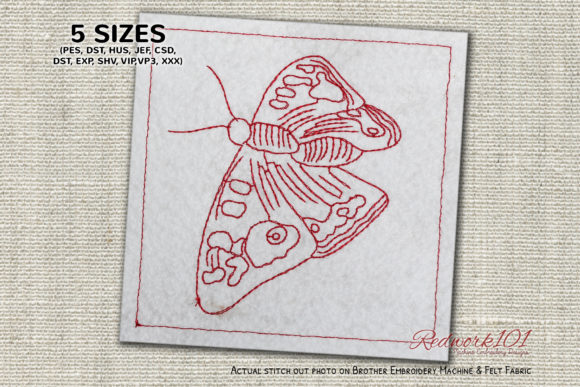
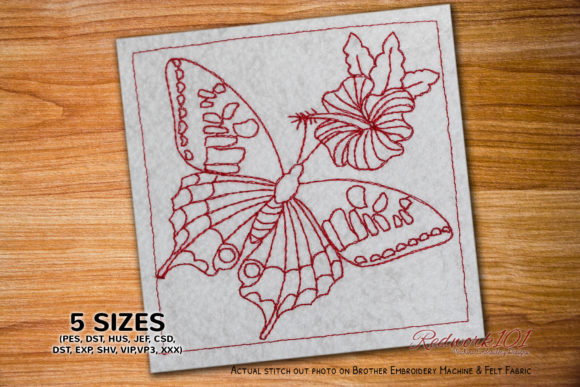
The mood of this machine embroidery design is distinctly vintage yet modern enough for contemporary boutique branding. The reliance on outline work—primarily running stitch with strategic satin accents—gives the Swallowtail butterfly a light, airy feel. Unlike heavy fill stitch designs that can make a garment feel stiff or cardboard-like, this redwork approach allows the fabric texture to breathe through the artwork. The silhouette of the Papilio machaon is instantly recognizable, capturing the elegant sweep of the hindwings without getting bogged down in excessive internal veining.
For an Etsy seller or craft business owner, this visual clarity is gold. It reads well from a distance on a product page and holds up under close inspection in person. The lack of dense coloring means you aren't fighting against thread sheen variations as much, resulting in a consistent look across different batches of production. It feels less like a novelty "bug" patch and more like a sophisticated emblem suitable for high-end custom apparel or home decor.
Real-World Application: The Tote Bag Test
To truly evaluate the Papilio Machaon Butterfly Redwork, I mentally staged it for a specific client request: a set of organic cotton tote bags for a local farmer's market vendor. The goal was to create a small shop product that felt handmade but professional. Here is where the design shines. Because redwork typically uses a single color thread (often a deep rust or crimson against natural canvas), the contrast is sharp and graphic.
On a tote bag, the open nature of the stitch pattern prevents the fabric from puckering, a common issue with larger embroidery projects. The design sits flat, maintaining the drape of the bag rather than creating a rigid panel. If I were to pivot this to a sweatshirt embroidery project, perhaps for a nature-loving brand, the design would work equally well on French terry, provided the stabilizer choice matches the loft of the fabric. The simplicity ensures that even on textured materials, the lines remain crisp and the butterfly doesn't get lost in the weave.
Versatility Across Product Lines
This digital embroidery file is remarkably adaptable. Beyond totes and sweatshirts, consider its potential for:
- Baby Embroidery: The soft outlines are perfect for onesies or nursery blankets where heavy stitching might irritate sensitive skin.
- Kitchen Linens: Tea towels and aprons benefit from the washability of simple stitch structures; there are fewer thread breaks over time compared to dense fills.
- Holiday Embroidery: Swap the traditional red thread for gold or silver metallics to create instant festive ornaments or gift tags.
- Embroidered Patches: The clear borders make this an excellent candidate for cut-out patches, especially if the optional box border is utilized to frame the insect.
Technical Considerations and Stitching Strategy
While the design is robust, a professional reviewer must point out where caution is needed. The description notes that "The Box Stitch shown in picture is optional." This is a crucial detail. If you choose to include the box, you are adding a geometric element that must align perfectly with the organic curves of the butterfly. On curved surfaces like caps or hats, I would advise skipping the box entirely. The distortion inherent in cap framing can warp square lines, making the design look amateurish. The butterfly alone, however, flows naturally over the crown of a hat.
Regarding stitch density, redwork is generally forgiving, but the length of the running stitches matters. On stretchy fabrics like jersey knits, long runs can pop if the garment is pulled. Before committing to a full production run of commercial embroidery, it is vital to test the design on scrap fabric identical to your final material. Check if the stitch length needs adjustment in your software to prevent gaps when the fabric stretches.
Furthermore, the note about color variation in the outer box suggests flexibility. If you are working on dark fabric, ensure your thread colors provide sufficient contrast. A dark red on navy blue might vanish, ruining the effect. Always run a black-and-white mockup to check value contrast before threading the needle.
Enhancing Value and Brand Perception
Using the Papilio Machaon Butterfly Redwork correctly can significantly elevate the perceived value of your handmade product. Customers associate clean, deliberate stitching with quality. There is nothing that erodes customer trust faster than bird-nested backs or puckered fronts. Because this design minimizes those risks through its simpler structure, it supports a narrative of thoughtful craftsmanship.
For those selling design assets or finished goods, the versatility of this file allows for cohesive branding. You can use the same butterfly on a hang tag, a packaging sticker (via printable mockup), and the actual garment, creating a unified brand identity. The "Bugs" category might suggest a niche appeal, but the execution here transcends entomology, fitting seamlessly into boho, cottagecore, or minimalist aesthetics.
Final Verdict for the Working Designer
In conclusion, the Papilio Machaon Butterfly Redwork is a reliable, high-utility asset for the serious embroiderer. It avoids the pitfalls of over-complicated digitizing while retaining enough character to be interesting. It is not just a picture of a bug; it is a functional design element that enhances the substrate it lives on.
Before finalizing any finished product, remember to verify the specific license terms regarding commercial use, as these can vary between designers. Confirm the available hoop size options to ensure they fit your machine's capabilities, especially if you plan on doing multi-item hooping for efficiency. With proper stabilization and thread selection, this design delivers a professional result that customers will love and that will stand the test of repeated washing and wearing. It is a solid choice for anyone looking to expand their portfolio with timeless, nature-inspired Embroidery that sells.